The importance of hydration in pets’ diets: how to ensure your pet drinks enough water
Understanding Hydration for Your Pets
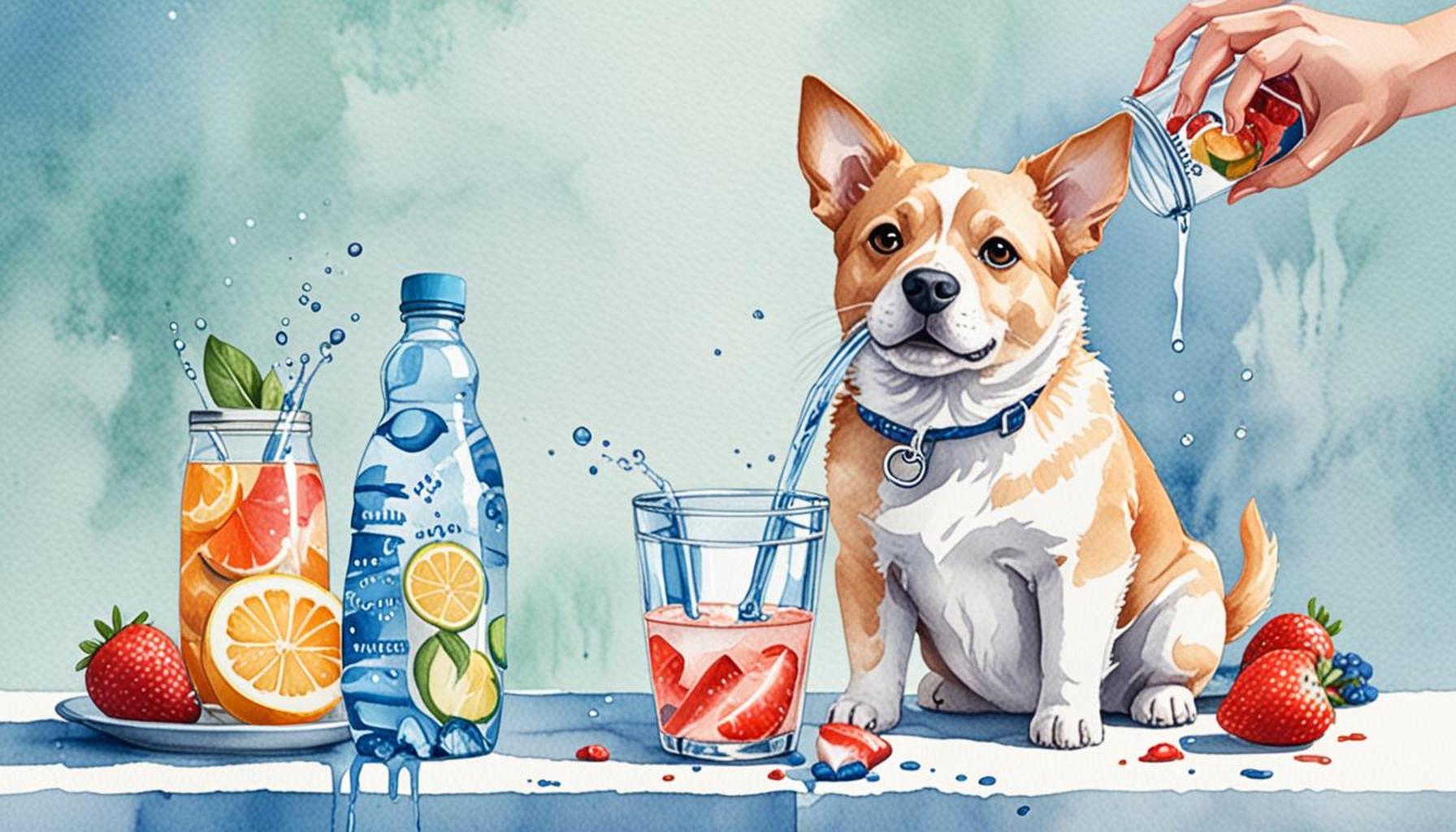
Hydration is a vital component of your pet’s overall health, yet it’s often overlooked. Just like humans, pets depend on water for various bodily functions. In fact, wild animals instinctively know that water is essential for survival, and our furry companions are no different. Adequate hydration affects everything from their energy levels to their skin’s health, making it an essential aspect of pet care.
Why is proper hydration so crucial? Here are some key reasons:
- Regulates body temperature: Water plays a significant role in thermoregulation. When pets overheat, they rely on proper hydration to help cool their bodies. This is particularly important during hot summer months when dogs and cats are susceptible to heat exhaustion.
- Aids digestion: Water is critical for facilitating nutrient absorption in the digestive system. It helps break down food, making it easier for pets to extract nutrients. Moreover, adequate hydration prevents constipation, which can lead to more severe gastrointestinal issues if not addressed.
- Supports organ function: Proper hydration is essential for the functioning of vital organs such as the kidneys and liver. These organs filter toxins from the blood and require adequate water intake to perform effectively.
Despite these critical functions, many pet owners underestimate their pets’ water needs. Factors influencing hydration include:
- Size and breed: Larger dog breeds such as Great Danes or Saint Bernards typically require more water than smaller breeds like Chihuahuas or Shih Tzus. Understanding the specific needs of your pet’s breed can help tailor their hydration plan.
- Diet type: Dry food diets generally necessitate higher water intake as they contain little moisture compared to wet food. For instance, a dog on a dry kibble diet might need to drink more water than a pet who predominantly eats wet food.
- Activity level: Active pets, such as those that love to play fetch or go on long hikes, will naturally drink more water than those who are less active. Monitoring their activity levels can give you insight into their hydration needs.
Fortunately, ensuring your pet drinks enough water is achievable. Here are some effective strategies:
- Providing fresh water daily is paramount. Make sure the water bowl is full and that the water is clean.
- Incorporating wet food into their diet can increase hydration. Many pet owners find that their dogs or cats enjoy the taste of wet food, which is often higher in moisture content.
- Using pet water fountains can encourage hydration, as the flowing water attracts many animals and entices them to drink more.
Monitoring your pet’s hydration is straightforward. Watch for signs of dehydration, such as dry gums, loss of skin elasticity, and lethargy. By being proactive about hydration, you can greatly enhance your pet’s health and well-being. Always consult your veterinarian if you have concerns about your pet’s water intake, as they can provide personalized recommendations based on your pet’s unique health profile and lifestyle.
DISCOVER MORE: Click here to learn about cognitive training for pets
Recognizing the Signs of Dehydration in Pets
Understanding your pet’s hydration needs is crucial, but knowing how to interpret the signs of dehydration is equally important. Pets may not always drink as much water as they should, especially if they are feeling unwell or are in a new environment. Recognizing the early symptoms of dehydration can help prevent serious health issues down the line.
Dehydration can manifest in several ways, and being vigilant can make a world of difference for your furry companion. Here are key symptoms to look for:
- Dry Mouth and Gums: One of the first indicators of dehydration is a dry mouth or sticky gums. If you notice your pet’s mouth feels unusually dry when you gently open it, it might indicate they need a drink.
- Loss of Skin Elasticity: A simple test to check for dehydration is skin tenting. Gently pinch the skin on your pet’s back. If it does not quickly return to its normal position, this can be a sign of dehydration.
- Reduced Energy Levels: If your pet seems lethargic or lacks enthusiasm for their usual activities, their body may be signaling that it isn’t hydrated enough. A decrease in energy can also impact their behavior and overall mood.
- Excessive Panting: Pets often pant to cool off, but if your dog or cat is panting excessively even in normal temperatures or after mild activity, it could signal dehydration. Keep an eye on their breathing patterns during play or warm weather.
- Decrease in Urination: Pay attention to the frequency of your pet’s urination. If they are potty-trained and you notice that they are producing less urine than usual, it may be a clear indication that they are not drinking enough water.
As responsible pet owners, we must monitor these signs diligently, especially during warmer months when dehydration risks are elevated. It’s equally important to recognize that some pets, such as older animals or those with specific health conditions, may have increased hydration needs and are at a higher risk of dehydration.
In addition to recognizing the signs of dehydration, pet owners can take proactive steps to motivate their animals to drink more water. Understanding that hydration is not merely about providing water but involves encouraging your pets to engage with their hydration sources is vital.
Incorporating strategies into your routine can greatly influence your pet’s water intake. Offering a variety of drinking options, such as water bowls placed in different locations around the home or using various bowl types (ceramic, stainless steel, or those with special designs) can capture your pet’s interest. Be sure to keep the water fresh by changing it at least once a day, as pets prefer clean, cool water.
Incorporating hydration-rich foods into your pet’s diet can also significantly improve their overall water intake. For example, fruits like watermelon or veggies like cucumber can provide hydration while being healthy treats. Moreover, in addition to enhancing hydration, including these foods can serve as a delightful snack and can enrich your pet’s diet.
As pet owners, understanding the importance of hydration in your pet’s diet is crucial to their overall health and wellbeing. Insufficient water intake can lead to serious health issues, including kidney problems, urinary tract infections, and even cardiovascular issues. Therefore, it’s imperative to monitor and encourage hydration for your furry companions.
One effective method is offering fresh and clean water in an easily accessible location. It’s not just about providing water but also making it appealing. You might consider changing your pet’s water frequently to ensure it remains fresh—animals are often more inclined to drink clean, cool water. Additionally, investing in a pet water fountain may further entice them, as many pets are more attracted to moving water.
Another option to consider is incorporating water-rich foods into your pet’s diet. This includes providing fruits and vegetables that are safe for pets, such as cucumbers and watermelon, which not only add nutrients but also contribute to their hydration. Furthermore, mixing water into their kibble or offering wet food can significantly increase their fluid intake.
Understanding the specific hydration needs of your pet based on their size, breed, and level of activity is essential. For example, active pets will require more water to compensate for losses through sweat and heavy breathing. Monitoring your pet’s behavior can provide clues about their hydration levels—if they appear lethargic or are showing signs of dehydration, such as dry gums or panting, immediate action is required.
Incorporating these strategies into your routine will ensure that your pets stay hydrated and healthy. By being vigilant about their water consumption, you set the foundation for a long and healthy life for your beloved companions.
| Hydration Strategies | Benefits |
|---|---|
| Fresh water supply | Encourages consistent drinking and reduces health risks. |
| Water-rich foods | Provides essential hydration and nutrition simultaneously. |
| Pet water fountain | Stimulates interest in drinking and tends to be more hygienic. |
| Monitoring behavior | Early detection of hydration issues and overall health. |
DIVE DEEPER: Click here to discover more
Innovative Ways to Increase Your Pet’s Water Intake
Ensuring that your pet stays adequately hydrated can sometimes be a challenge, but with a few creative strategies, it can become part of your daily routine. Making hydration appealing to your furry friends is essential, as animals can often be picky about their water intake. Here are some innovative methods to encourage your pet to drink more water:
- Flavor Enhancement: You can enhance the flavor of your pet’s water to make it more enticing. Add a splash of low-sodium chicken or beef broth to their water bowl. This simple trick can transform plain water into a flavorful treat that encourages your dog or cat to drink more.
- Water Fountains: Consider investing in a pet water fountain. Many pets prefer running water over still water, as it appears fresher and more appealing. Water fountains not only provide a continuous source of fresh water but also encourage playfulness, as pets are often curious about the sound and movement of the water.
- Ice Cubes and Frozen Treats: On hot days, make ice cubes from chicken broth or freeze small pieces of their favorite fruits or vegetables. You can give these frozen treats as snacks or add them to their water bowl. This not only helps with hydration but also provides a fun and cool way to keep your pet entertained.
- Hydration-Boosting Toys: Some toys are designed to hold water, allowing pets to hydrate while they play. Look for products made from safe materials that encourage your pets to lick and consume water as they engage with the toy.
- Regular Meal Additions: If your pet eats dry kibble, consider mixing in a small amount of wet food, which contains higher moisture levels. By incorporating wet food into their regular meals, you enhance their overall water consumption significantly.
Routine and Accessibility also play critical roles in how much water your pet consumes. It’s essential to establish a routine that includes regular drinking breaks, especially after play or exercise. Just like us, pets can become so caught up in their activities that they forget to hydrate. Set aside a few moments during your day to offer fresh water, especially after physical exertion.
Moreover, consider the placement of your water bowls. Pet owners should place water bowls in high-traffic areas where their pets spend a lot of time. Avoid placing them in cramped spaces or near their food, as some pets might prefer separate locations for eating and drinking. Experiment with different locations until you find what works best for your furry friend.
Additionally, during warmer weather or when your pet is more active, you must adjust their water intake requirements accordingly. An increase in temperature or physical exertion can escalate hydration needs significantly. It’s advisable to offer water more frequently and ensure they have access to shade and cool resting areas.
Lastly, regular veterinary check-ups are essential not only for general health assessments but also enable the vet to gauge hydration levels, particularly if your pet has specific dietary needs or underlying health conditions. Your veterinarian can provide personalized hydration recommendations based on your pet’s age, size, breed, and health status, giving you tailored insights every step of the way.
By implementing these engaging techniques, pet owners can create a more fulfilling hydration experience for their beloved companions. Prioritizing hydration is key to ensuring a healthy, happy, and active lifestyle for pets, and every effort counts in promoting their overall well-being.
DISCOVER MORE: Click here for essential travel tips with your pet
Conclusion
In summary, hydration is a vital component of any pet’s diet, significantly impacting their health and overall quality of life. Just like humans, pets require a consistent intake of water to thrive, maintain proper bodily functions, and prevent dehydration-related health issues. As pet owners, it is our responsibility to ensure that our furry companions are drinking enough water, especially during hot weather or after vigorous play.
Implementing creative strategies for improving water intake, such as using flavored water, water fountains, or hydration-boosting treats, can transform the habit of drinking into an enjoyable experience for pets. Additionally, establishing a regular routine and carefully considering the placement of water bowls can further encourage hydration. Regular veterinary check-ups are also crucial, as they provide essential insights into your pet’s hydration levels and dietary needs.
By making hydration a priority in your pet’s daily routine, you can significantly enhance their health and happiness. Remember, a well-hydrated pet is a happy pet, more likely to engage in play, remain active, and maintain a healthy weight. As you continue to explore innovative ways to ensure your pet drinks enough water, keep in mind that every small effort contributes to their well-being. So, equip yourself with knowledge and tools, and take the necessary steps to foster a hydrated lifestyle for your cherished companions. In the world of pet care, hydration is not just important; it is indispensable.

Linda Carter
Linda Carter is a writer and pet care expert specializing in pet health, grooming, and wellness. With extensive experience helping pet owners create safe, loving, and enriching environments for their animals, Linda shares her knowledge on our platform. Her goal is to empower readers with practical advice and strategies to ensure their pets thrive and lead joyful, healthy lives.