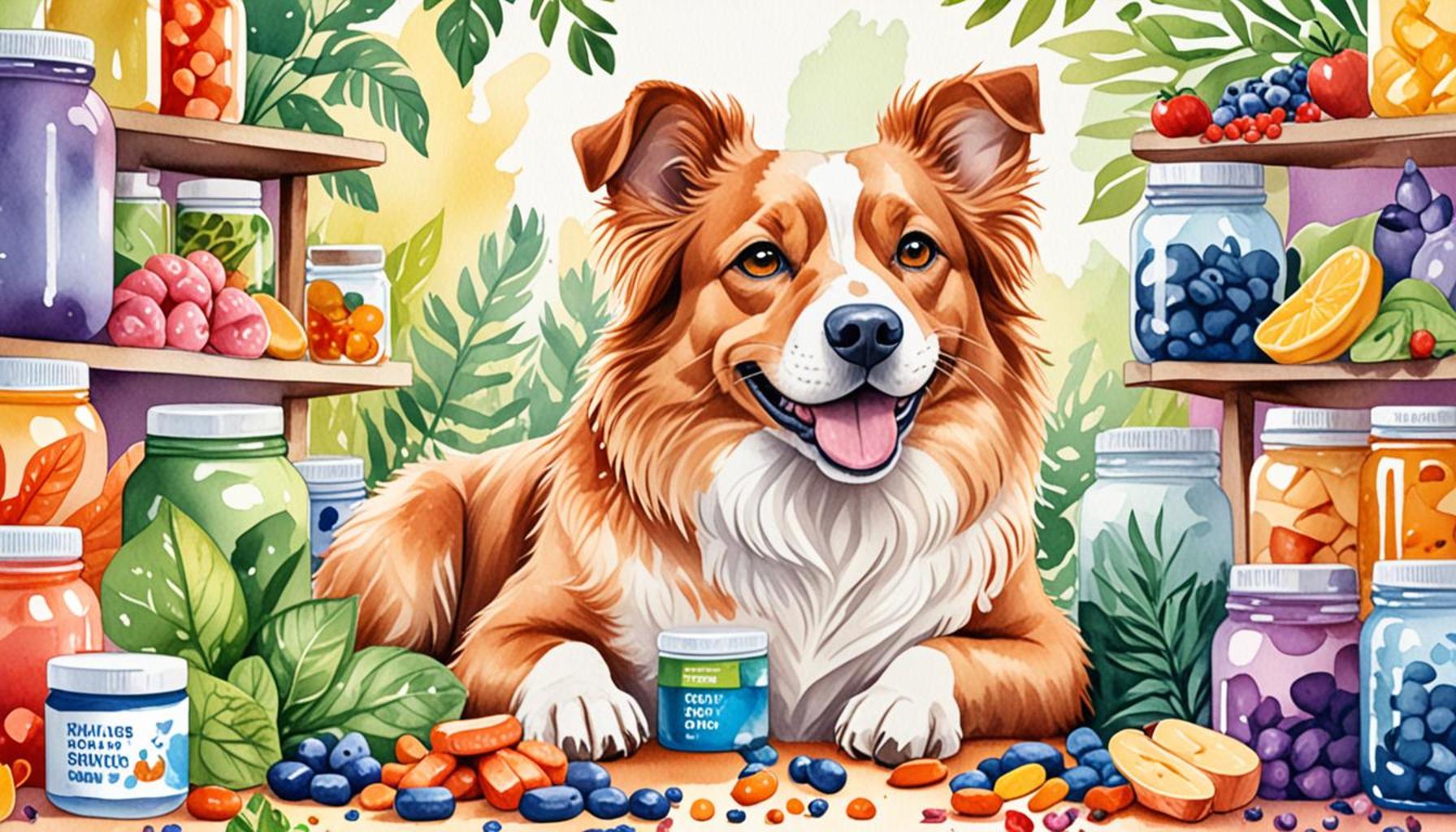
Strategies for Dealing with Food Allergies in Pets: How to Adjust Your Pet’s Diet

Understanding Food Allergies in Pets
Food allergies in pets can pose a serious challenge for both animals and their owners. They can lead to uncomfortable symptoms such as itching, digestive upset, and even serious health issues. Recognizing and managing these allergies is crucial for ensuring your pet’s well-being.
Before you adjust your pet’s diet in an effort to alleviate these symptoms, it’s important to understand the common allergens that could be triggering their discomfort. Some prevalent sources of food allergies in pets include:
- Beef: Often one of the first proteins introduced in a pet’s diet, beef can trigger allergic reactions in some pets, leading to skin irritation and gastrointestinal distress.
- Dairy: Many pets, especially cats, are lactose intolerant. This can lead to bloating, diarrhea, and other digestive issues.
- Chicken: As a common source of protein in many commercial pet foods, chicken allergies can manifest through itching, ear infections, and skin infections.
- Fish: Although less common, some pets may develop allergies to fish, leading to symptoms similar to those caused by other allergens.
- Wheat: Found in many grain-inclusive diets, wheat can cause digestive upset and skin irritations in sensitive pets.
- Soy: This common filler in pet food can be allergenic for some pets, triggering issues like itching and vomiting.
Identifying the Specific Allergen
Identifying the specific allergen is key to formulating an effective management plan for your pet. This process often requires a systematic approach, including:
- Elimination diets: This involves removing all potential allergens from your pet’s diet for a period (usually 8-12 weeks) to observe any changes in symptoms. After this period, foods can be reintroduced one at a time to identify the culprit.
- Consulting a veterinarian: Seeking professional guidance can be invaluable. A veterinarian may recommend allergy testing or a specialized diet tailored to your pet’s needs.
- Monitoring symptoms: Keeping a detailed journal of your pet’s food intake and symptoms can provide insights into their reactions and help pinpoint the allergens.
Creating a Tailored Diet
Once you have successfully identified the allergens, creating a tailored diet for your pet becomes essential. Depending on your findings, this may involve switching to a novel protein or grain-free diet. For example, you might consider alternatives like duck, bison, or venison if beef and chicken have been identified as allergens.
Additionally, some pet owners choose to prepare homemade meals, ensuring that all ingredients are known and safe. It’s crucial, however, to work closely with a veterinarian or a pet nutritionist to ensure that your pet receives a balanced diet.
With the right strategies in place, you can help maintain your pet’s health while ensuring they enjoy their meals without discomfort. Prioritizing your pet’s dietary needs not only enhances their quality of life but also strengthens the bond between you and your furry companion. A little diligence in managing food allergies can go a long way in keeping your pet happy and healthy.
DISCOVER MORE: Click here for expert travel tips
Understanding the Importance of Diet Adjustment
Adjusting your pet’s diet is a fundamental strategy in managing food allergies effectively. A well-balanced and allergen-free diet not only alleviates discomfort but also contributes to your pet’s overall health. Pets’ dietary needs can vary greatly, making it essential to tailor their nutrition based on their specific allergies.
The first step in this dietary adjustment begins with a thorough understanding of your pet’s nutritional requirements. Pet owners need to consider age, breed, size, and activity level when altering food choices. Different pets may respond uniquely to different types of food, and what works for one pet may not necessarily work for another. Here are some strategies to keep in mind:
- Research Alternative Ingredients: Explore novel proteins and carbohydrate sources that have a low likelihood of causing allergic reactions. In addition to duck, bison, and venison, options like kangaroo or rabbit can become part of your pet’s diet.
- Incorporate Limited Ingredient Diets: These diets have fewer components, making it easier to track potential allergens. Most brands offer limited ingredient formulas that are specifically crafted for pets with food sensitivities.
- Choose Grain-Free Options: Transitioning to grain-free diets can be beneficial for some pets, as ingredients like corn, wheat, and soy may trigger allergic reactions. Instead, focus on diets that rely on ingredients like sweet potatoes or peas for their carbohydrate content.
- Utilize Prescription Diets: Sometimes a veterinarian will recommend prescription diets specially formulated for pets with allergies. These diets are tailored to be free from common allergens and may include hydrolyzed proteins, which break down proteins into smaller components that are less likely to cause a reaction.
- Consult Trusted Brands: It’s essential to choose reputable brands that offer transparency in their ingredient sourcing. Reading labels can help avoid hidden allergens and identify what exactly goes into your pet’s food.
As you consider these options, it is crucial to transition your pet into their new diet gradually. A sudden change can lead to gastric upset, even if the new food does not contain any allergens. Mixing the new food with their old food over a span of 7-10 days can help ease this transition.
In addition to dietary adjustments, supplements can also play an important role. Omega fatty acids, for instance, are known for their anti-inflammatory properties and can help soothe skin irritations associated with food allergies. Always consult a veterinarian before introducing new supplements to ensure they align with your pet’s dietary needs.
Implementing these strategies can greatly improve your pet’s comfort and quality of life. Each small adjustment makes a difference in managing food allergies and enhancing your pet’s overall health. Remember, patience and careful observation are key as you discover what works best for your beloved companion.
| Category | Description |
|---|---|
| Identifying Allergens | Understanding what triggers allergies in pets is essential. A food diary can help track reactions. |
| Inflammatory Reduction | Elimination diets can significantly reduce inflammation caused by allergens, leading to improved health. |
| Nutritional Balance | Adjusting your pet’s diet ensures they receive the right nutrients despite restrictions. |
| Consulting Vets | Regular vet check-ups are critical for monitoring the effectiveness of dietary changes. |
| Supplementation | Incorporating supplements may support overall health during dietary adjustments. |
Understanding how to effectively manage food allergies in pets involves meticulous observation and a well-structured dietary strategy. Identifying allergens, such as specific proteins, grains, or additives, is a fundamental first step. Keeping a food diary can provide insights into any anomalies in your pet’s behavior or physical condition. In some cases, implementing an elimination diet can reveal sensitivities that were previously undetected. This method involves removing certain ingredients from your pet’s diet to see if symptoms subside, leading to a more comfortable and health-conscious dietary plan. Furthermore, it is essential to strike a balance between restricting allergens and providing adequate nutrition to avoid deficiencies. Consulting with a veterinarian or a pet nutritionist can provide tailored advice on how to navigate these changes effectively. Regular check-ups not only ensure that the dietary changes are beneficial but also help identify any new allergies that may arise. Lastly, looking into the benefits of dietary supplements can aid in maintaining your pet’s overall health amidst these adjustments.
DISCOVER MORE: Click here to learn how clicker training can improve your bond with your pet
Monitoring and Working with a Veterinarian
Once you have initiated dietary changes, ongoing monitoring is crucial. Eyes and ears should be on high alert for any signs of improvement or adverse reactions. Keep a detailed journal documenting your pet’s food intake and any behavioral, gastrointestinal, or dermatological changes. This information can be invaluable when consulting your veterinarian, helping to identify patterns that may indicate lingering allergens or even food intolerances.
Regular Communication with Your Veterinarian is key in managing food allergies. A veterinarian can help interpret your pet’s responses to the new diet, offering tailored advice based on any symptoms that arise. This professional guidance can steer you in the right direction, whether that means further dietary adjustments or additional diagnostic measures.
Some veterinarians may recommend an elimination diet. This method involves removing all potential allergens from your pet’s diet to see if symptoms improve, and then gradually reintroducing foods one at a time. This systematic approach helps pinpoint which ingredient is responsible for the allergic reactions. Elimination diets typically last about 8-12 weeks, and during this period, all treats, table scraps, and flavored medications should also be restricted.
Additionally, relying on Allergy Testing can be beneficial. While not all pets require this, visiting a veterinary dermatologist or an allergist offers options like intradermal skin testing or serum testing to identify specific allergies. Although these tests can provide valuable insights, they may not definitively indicate food allergens, thus making diet management even more essential.
Be Mindful of Treats and Chews
When adjusting your pet’s diet, it’s vital to scrutinize not just their meals but also treats and chews. Many commercially available treats contain common allergens. Look for hypoallergenic options that utilize limited ingredients or specific proteins your pet has not been exposed to previously. Making homemade treats can be an excellent alternative, as you can control each ingredient. There are various simple recipes available that use safe ingredients such as pumpkin, sweet potatoes, or specific meats that align with your pet’s dietary plan.
Understanding Ingredient Labels
When shopping for your pet’s food, understanding ingredient labels becomes crucial in avoiding allergens. Familiarize yourself with terms that indicate the presence of common allergens. For example, terms like “meal” or “by-products” can often conceal unwanted ingredients. Moreover, look for foods that list the meat source as the first ingredient and avoid ambiguous terms like “animal fat” or “meat by-products.” Being informed can significantly enhance your ability to make sound dietary choices for your pet.
Lastly, patience and consistency are vital when addressing food allergies. Behavioral changes or improvements in health can take time and may not be immediate. By staying committed to the dietary adjustments and mindful of your pet’s well-being, you pave the way for a healthier future for your beloved animal companion.
DON’T MISS OUT: Click here for essential travel tips
Conclusion
In the intricate world of pet care, addressing food allergies is a vital endeavor that requires a multifaceted approach. As pet owners, understanding how to adjust your pet’s diet can have a profound impact on their overall health and happiness. By implementing strategies such as incorporating an elimination diet, closely monitoring your pet’s reactions, and maintaining ongoing communication with your veterinarian, you can effectively identify and manage food allergies.
Keep in mind that every pet is unique and what works for one may not work for another. This variability stresses the importance of being observant and adaptable. Utilizing ingredient labels to avoid hidden allergens and selecting appropriate treats is equally important, enabling you to maintain a balanced diet that supports your pet’s health and well-being. Moreover, exploring options for hypoallergenic treats can help you indulge your furry friend while still adhering to their specific dietary needs.
Ultimately, patience and perseverance are essential. Progress will not always be immediate, but with a committed approach, you can pave the way for a healthier future for your pet. Delving into the realm of food allergies opens up a new perspective on caring for your pet—one that emphasizes the critical link between diet and health. As you navigate this journey, remember that every step you take ultimately contributes to a happier, healthier companion by your side.

Linda Carter
Linda Carter is a writer and pet care expert specializing in pet health, grooming, and wellness. With extensive experience helping pet owners create safe, loving, and enriching environments for their animals, Linda shares her knowledge on our platform. Her goal is to empower readers with practical advice and strategies to ensure their pets thrive and lead joyful, healthy lives.