
Changes in cat behavior during different life stages
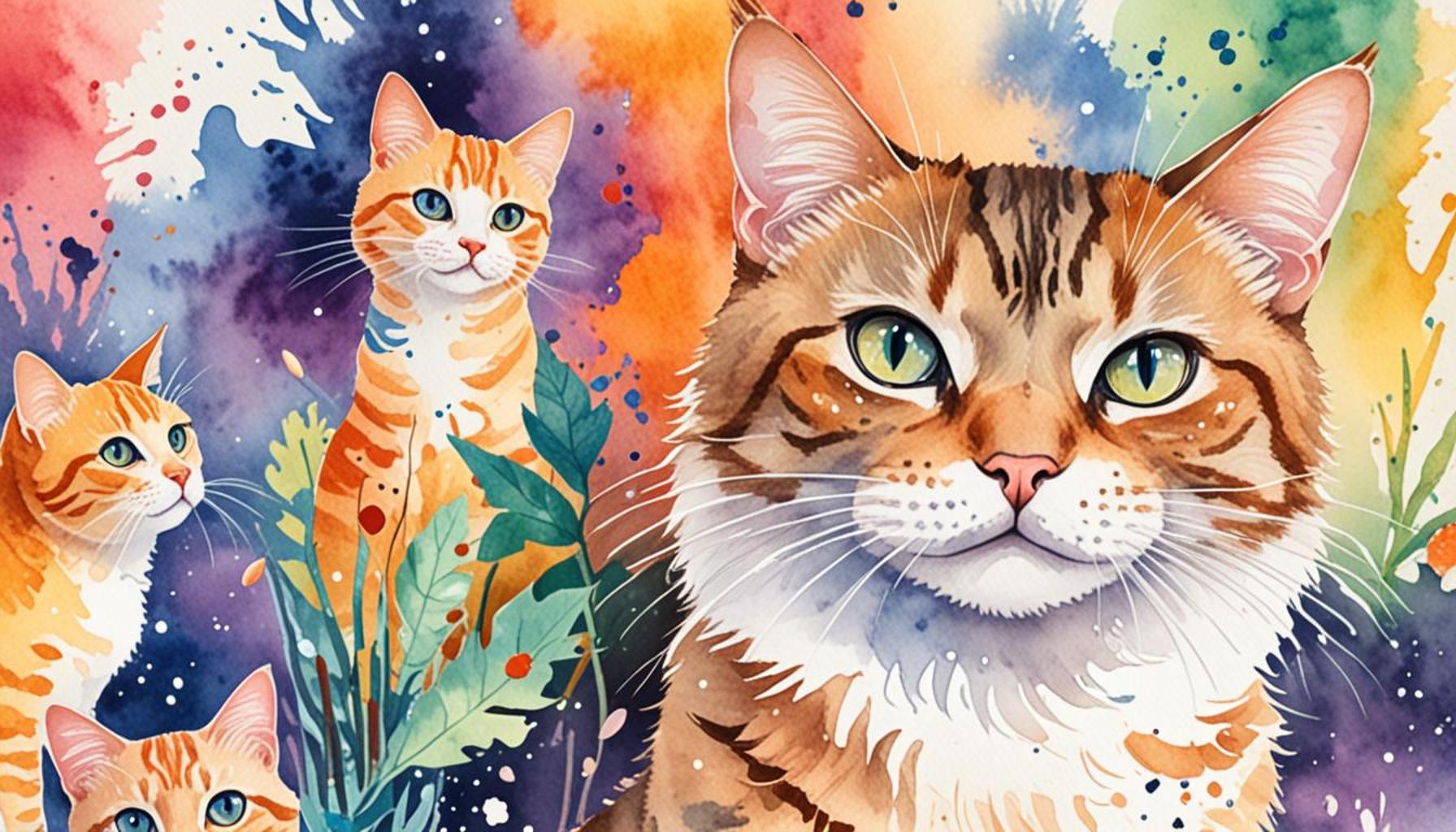
Understanding Feline Behavior Across Life Stages
Cats are fascinating creatures, and their behavior evolves significantly throughout their lives. From playful kittens to dignified seniors, each stage brings distinct traits that reflect their emotional and physical development. Understanding these changes not only enhances your relationship with your feline friend but also ensures you are providing the best possible care suited to their needs.
As a cat owner, being attuned to these changes is essential. Consider the following transformations your feline companion may experience:
- Kittens (0-1 year): Kittens are the epitome of curiosity and energy. This phase is marked by relentless exploration as they discover their surroundings, often getting into playful mischief. They engage in pouncing, climbing, and stalking behavior, which mimics hunting instincts. Play is crucial during this stage, as it helps develop their motor skills and social interactions. It’s recommended to provide plenty of engaging toys and safe environments to stimulate their inquisitive minds.
- Adults (1-7 years): Adult cats typically display a sense of confidence and independence. By this stage, many cats have established their personality traits, and while they may retain a playful side, they also enjoy a more composed existence. They might engage in less frenetic play but can still enjoy interactive games such as laser pointers or feather wands. This is also an important time for bonding and establishing routines, as adult cats thrive on stability and predictability in their lives.
- Seniors (7+ years): As cats age, their behavior often becomes more reserved. They may show less interest in vigorous play and may prefer lounging in cozy spots or basking in sunbeams. Health issues can arise during this stage, which may affect their activity levels and social behavior. It’s essential to pay close attention to any changes in appetite and litter box habits, as these can be indicators of underlying health problems. Providing environmental enrichment, like puzzle toys and gentle play, can help keep senior cats mentally stimulated while accommodating their physical limitations.
These shifts in behavior can greatly impact how you interact with your cat. For instance, recognizing that a once-playful adult may become less active as they age will encourage you to adapt their playtime to their current energy levels. Similarly, understanding that kittens require significant mental and physical stimulation will help you prevent behavioral issues that can stem from boredom.
These behavioral patterns are not only fascinating but are also crucial for promoting your cat’s well-being. By recognizing the unique needs associated with each life stage, you can make informed decisions regarding nutrition, enrichment, and veterinary care. In this article, we will delve deeper into the changes in cat behavior during various life stages, exploring how age influences everything from playfulness to sociability.
By grasping these nuances, you’ll enhance your bond with your furry companion and ensure their happiness at every age. Your ability to respond to their changing needs will pave the way for a fulfilling and joyful coexistence, allowing you both to enjoy your time together to the fullest.

DISCOVER MORE: Click here to learn about cognitive training with interactive toys
The Playful Energy of Kittens
The journey of a cat begins in the kitten stage, a period brimming with boundless energy and curiosity. From birth to about one year, kittens undergo a rapid transformation that shapes their personality and behavior for years to come. During these formative months, they exhibit behaviors that are essential for their development, including the pursuit of play. This is not mere entertainment; it is a crucial component for honing their survival instincts.
Kittens require ample opportunities for physical activity and mental stimulation. Engaging in games of chase or hunting simulations not only exercises their bodies but also teaches vital skills. It’s estimated that over the first six months, kittens can spend up to 50% of their waking hours playing. As pet owners, it’s important to provide a variety of stimulating toys, such as scratching posts, balls, and interactive feeders, to keep their minds active and prevent boredom-related behavioral issues.
The Confident Phase of Adult Cats
Transitioning into adulthood, from approximately one to seven years of age, cats typically become more self-assured and less frenetic in their playful behaviors. This phase is characterized by the establishment of routines and a stronger sense of territory. Adult cats are known to become more selective about their interactions, often forming deeper bonds with their human companions while maintaining their independent streak. As cats settle into their personalities, they may also develop distinct preferences for certain activities or toys.
During adulthood, cats often parade their territory through ritualistic behaviors. They may engage in scent-marking by rubbing their face against various surfaces to leave their scent, signaling to others that this space is theirs. Understanding this aspect of their behavior allows owners to appreciate their cat’s need for security. Incorporating structured play sessions during this time can help maintain their physical health while also providing an outlet for their natural hunting instincts.
Navigating the Transition to Seniority
Once a cat reaches the age of seven, they enter their senior years, which can bring about noticeable shifts in their behavior. The once playful feline may become more subdued, favoring lounging over leaping. It’s essential to recognize that this does not signify a lack of enjoyment or affection; rather, it’s a natural adaptation as they age. Many senior cats prefer quiet environments and comfortable spots where they can relax. As they age, their visual acuity and mobility may diminish, leading to changes in their playfulness and activity levels.
Health considerations also play a significant role during this life stage. It’s common for senior cats to experience arthritis or dental issues, which can impact their ability to engage in their usual play routines. Pet owners should remain vigilant and proactive about their cat’s health, noticing any declines in appetite or changes in behavior that may warrant a trip to the veterinarian. The introduction of low-impact toys, such as lightweight balls or wand toys with feathers, can help keep senior cats entertained while accommodating their physical limitations.
- Kittens: Display energetic and curious behavior; play is essential for development.
- Adults: Exhibit confidence and independence; establish routines and may become more selective in play.
- Seniors: Behavior may shift to being more reserved; health issues can impact activity levels.
By recognizing these distinct behavioral changes across life stages, cat owners can adapt their approach to care, ensuring each cat’s unique needs are met. Understanding the various behavioral patterns helps in nurturing their well-being, ultimately fostering a content and enriched life for your feline companion.
| Life Stage | Behavioral Changes |
|---|---|
| Kitten | Kittens exhibit higher energy and playfulness, requiring both mental and physical stimulation to aid in their development. |
| Adult | As cats mature, they often become more territorial and may display decreased playfulness, shifting focus to hunting instincts and social interactions. |
| Senior | Older cats may show signs of decreased activity levels and altered social behavior, often preferring comfortable resting areas and gentler interactions. |
The journey of a cat through its life stages is marked by profound transformations in behavior. From the playful and inquisitive nature of kittens, which drives them to explore and engage with their environment, to the more reserved and territorial habits of adult cats, understanding these shifts can enhance the bond between pets and owners. Furthermore, senior cats may require a different approach, favoring peaceful surroundings and softer interactions. Exploring these changes reveals invaluable insights into the unique personalities of our feline companions, prompting owners to adapt their care strategies effectively. This knowledge not only fosters a deeper relationship but also ensures the well-being of cats at every stage of their lives.
DISCOVER MORE: Click here for expert travel tips
Understanding the Maturing Behavior of Senior Cats
As cats transition into their senior years, typically beginning at around the age of seven, pet owners might notice significant shifts not only in their mobility but also in their overall behavior and temperament. Senior cats tend to display a more laid-back demeanor, often opting for shorter bursts of activity and longer periods of relaxation. This change is not merely physical; it reflects extensive behavioral adaptations that occur as cats navigate their golden years.
During this stage, it becomes increasingly important for cat owners to adjust their environments to suit their pets’ evolving needs. For example, senior cats often prefer warm, cozy spots where they can rest without the hustle and bustle of high-energy activities. Providing soft, accessible bedding in quiet areas helps them feel secure while also accommodating their less active lifestyle.
Moreover, as senior cats experience broader changes associated with aging, they often display an increased need for companionship and affection. Unlike their youthful selves, they may seek out their human family members more frequently, demanding attention and gentle interaction. This shift in behavior highlights the importance of maintaining social bonds, as companionship can significantly enhance a senior cat’s quality of life.
The Role of Health in Behavioral Changes
The aging process often brings about various health issues, such as arthritis, which can hinder a senior cat’s ability to engage in previous activities. Regular veterinary check-ups become paramount in managing any underlying health concerns. Regular health assessments can help catch problems early, allowing for timely interventions that can greatly enhance a cat’s comfort and functionality.
Furthermore, cognitive decline, often categorized under feline cognitive dysfunction syndrome (CDS), may affect how senior cats relate to their environment. Signs of this condition include disorientation, altered sleeping patterns, or increased vocalization. Providing mental stimulation through puzzle feeders and engaging toys can help mitigate these symptoms, allowing older cats to retain cognitive sharpness.
Adjusting Playtime and Nutrition for Longevity
Altered playtime dynamics are also important as cats age. While younger cats require vigorous stimulation, senior cats benefit from gentle, low-impact play that respects their physical limitations. Toys that encourage slow ambulation, like light feather wands or jingle balls, are excellent choices. It’s vital to observe their preferences, as some may prefer mental engagement over physical activity.
Nutrition also plays a critical role in supporting senior health and behavior. Cats in their senior years have unique dietary requirements that can help maintain their weight and overall health. Veterinarians often recommend specialized diets rich in antioxidants and low in fillers, which can aid in managing age-related issues such as renal health and obesity.
- Senior cats: May exhibit more relaxed behavior and a preference for affection and companionship.
- Health challenges: Regular vet check-ups are essential to managing age-related health issues.
- Play and nutrition: Gentle, mind-stimulating activities and tailored diets are crucial for their well-being.
As owners navigate the changes in their cats’ behavior during these later stages of life, a compassionate approach coupled with knowledge about their needs can improve their quality of life. Understanding these behavioral adaptations enables pet owners to provide a nurturing environment that accommodates both the physical and emotional aspects of aging in their feline friends.
DISCOVER MORE: Click here to learn about nutrition’s impact on your pet’s emotional health
Conclusion: Embracing the Evolution of Feline Behavior
Understanding the changes in cat behavior during different life stages is essential for fostering a harmonious relationship between pets and their owners. From the playful antics of kittens to the more subdued and affectionate nature of senior cats, these behavioral shifts reflect not only the physical development of felines but also their emotional and psychological needs.
A cat’s early years are characterized by curiosity and high energy, making play crucial for their socialization and cognitive development. As they mature into adulthood, their behavior stabilizes, and owners need to recognize their evolving personality traits and preferences. This knowledge allows for tailored interactions and environmental adjustments that cater to their shifting needs.
In senior cats, the appreciation for comfort, companionship, and gentle engagement becomes paramount. Owners must be proactive in addressing health-related issues and implementing enriching activities that stimulate mental engagement while respecting physical limitations. Adapting playtime, nutrition, and living environments helps ensure these treasured companions maintain a high quality of life throughout their aging process.
Ultimately, recognizing and adapting to the behavioral changes at each life stage empowers pet owners to nurture a loving and supportive environment. By staying informed and attentive to their feline friends’ needs, cat owners can enhance the bond they share and provide their pets with a fulfilling and happy life—regardless of their age. This continual journey of understanding highlights the deep connection between feline behavior, health, and happiness, encouraging all cat lovers to explore these dynamics further.

Linda Carter
Linda Carter is a writer and pet care expert specializing in pet health, grooming, and wellness. With extensive experience helping pet owners create safe, loving, and enriching environments for their animals, Linda shares her knowledge on our platform. Her goal is to empower readers with practical advice and strategies to ensure their pets thrive and lead joyful, healthy lives.