
The importance of dental hygiene in pet health
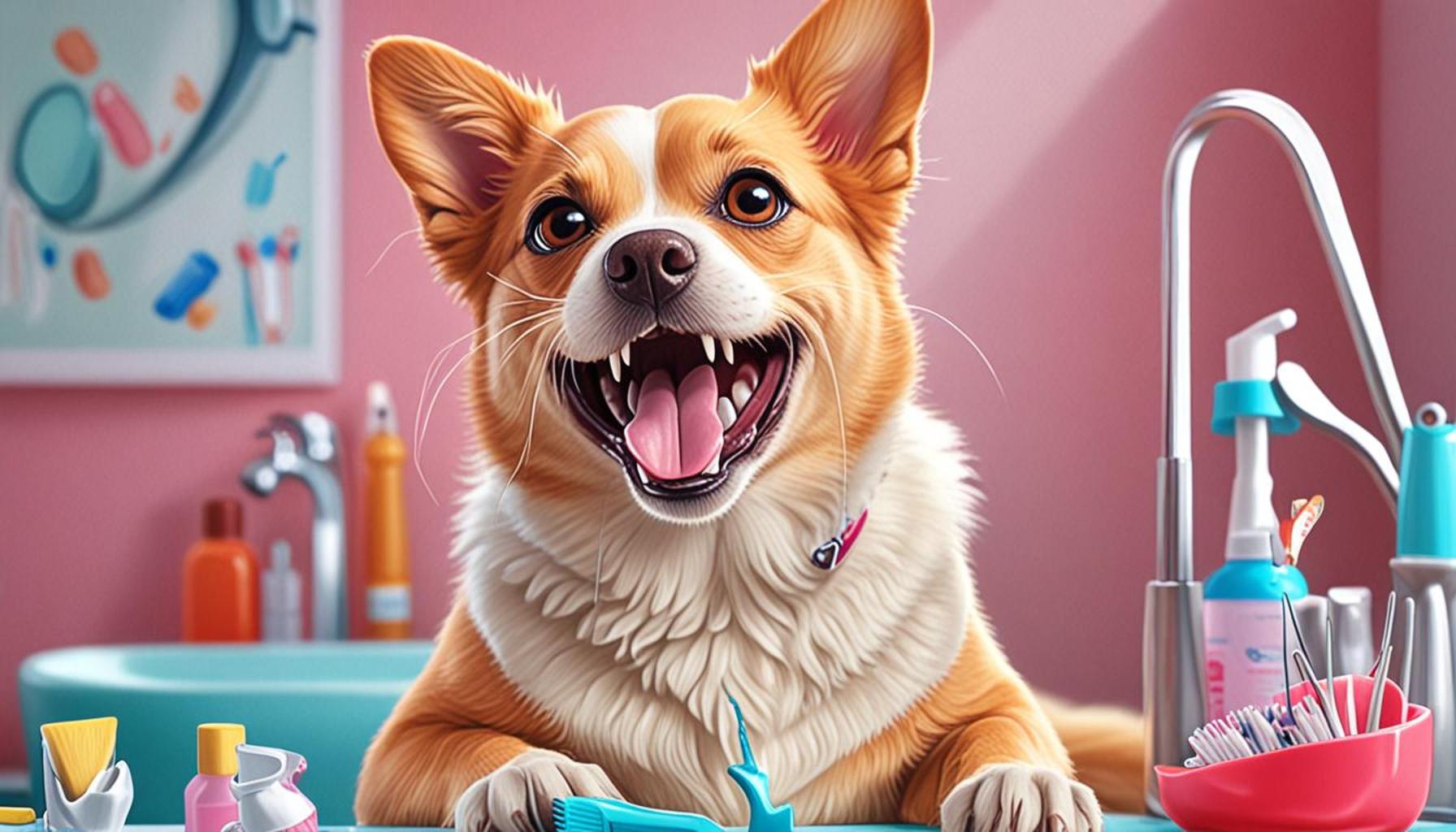
The Importance of Your Pet’s Dental Hygiene
Maintaining your pet’s dental hygiene is crucial for their overall well-being. Like humans, pets can face serious health issues if their teeth and gums are neglected. Regular dental care not only helps prevent bad breath but also protects against more severe conditions that can compromise your pet’s quality of life.
Consider these compelling reasons to prioritize your pet’s oral health:
- Preventive Care: Regular brushing and veterinary dental cleanings can avert the development of periodontal disease, a common issue in pets that can lead to tooth loss and pain. According to the American Veterinary Dental College, nearly 80% of dogs and 70% of cats show signs of oral disease by the age of three. Simple preventative measures can help stave off this staggering statistic.
- Link to Overall Health: Neglected dental hygiene doesn’t just affect the mouth; it can have dire consequences for your pet’s entire body. Bacteria from the mouth can enter the bloodstream, potentially leading to systemic issues such as heart disease, kidney problems, and even diabetes. Research suggests that maintaining your pet’s dental health can significantly reduce the risk of developing these conditions, thereby extending their lifespan.
- Quality of Life: Healthy teeth and gums allow pets to eat comfortably and enjoy their food, promoting better nutrition and happiness. Imagine your furry friend struggling with painful gums or loose teeth—it can lead to anxiety and behavioral changes. By investing time and resources into dental care, you can enhance their quality of life and make every meal a joy.
Veterinarians recommend a proactive approach to pet dental care. This includes regular oral check-ups and investing time in at-home maintenance, such as daily brushing or using dental treats designed to reduce plaque buildup. Products like enzymatic toothpaste formulated for pets can effectively clean your pet’s teeth without harming them, highlighting the importance of choosing items specifically made for animal use.
While many pet owners may overlook dental hygiene, it is a vital aspect of ensuring your furry friends lead long and healthy lives. In fact, dental care can sometimes be the linchpin in overall health, affecting everything from energy levels to mood regulation. So, take the initiative today—consider scheduling a vet visit for a dental check-up, or simply introduce a brushing routine starting with just a few strokes daily, gradually increasing as your pet gets accustomed to the routine.
In conclusion, treating your pet’s dental hygiene with the same seriousness as their diet or exercise can vastly improve their health and happiness. With a little effort, you can ensure that your beloved companion enjoys the healthiest and happiest life possible.
DISCOVER MORE: Click here to learn about dogs’ body language
Understanding the Consequences of Poor Dental Hygiene
When it comes to pet care, the focus often lands on grooming, feeding, and exercise. However, the importance of dental hygiene in pet health is frequently overlooked, leading to severe consequences for our furry friends. Just as we suffer from cavities and gum disease when we neglect our own dental care, just like our pets can face significant health challenges due to poor oral hygiene. The reality is, inadequate dental care can trigger a sequence of health issues that transcend beyond mere bad breath or decaying teeth.
Periodontal disease has emerged as one of the most common health concerns for our pets, afflicting millions of dogs and cats each year. The process begins subtly: plaque builds up on a pet’s teeth, eventually hardening into tartar. This accumulation leads to inflammation and can spiral into serious infections if left unchecked. Alarmingly, many pet owners are unaware their animals are suffering until the condition has deteriorated. According to the American Animal Hospital Association, more than 80% of dogs over three years old have some form of dental disease, casting a shadow over the welfare of our pets across the United States.
The Hidden Dangers of Dental Neglect
Many pet owners may not recognize the extent of risks associated with dental negligence. Bacteria from oral infections can enter the bloodstream, spreading to vital organs and causing life-threatening conditions. The most significant systems at risk include:
- Cardiovascular System: Bacteria can damage heart valves, leading to serious complications such as endocarditis. This condition can impair heart function and even culminate in heart failure.
- Kidney Health: Chronic infection arising from dental issues can overload kidney function, paving the way for chronic kidney disease—especially prevalent among older pets.
- Respiratory Issues: When bacteria from dental infections are inhaled, they can instigate pneumonia or other severe respiratory complications, creating additional health struggles for your pet.
Beyond these dire complications, maintaining robust dental health also alleviates pain and enhances eating habits in pets. A healthy mouth allows pets to enjoy their meals without the discomfort of infections or painful chewing, which greatly improves their overall quality of life. For example, pets with dental problems may exhibit a decreased appetite or become more finicky around food, leading to nutritional deficiencies and additional health dilemmas.
Thus, the connection between dental hygiene and pet health cannot be overstated. Ensuring regular vet checkups that encompass dental examinations and professional cleanings, complemented by a diligent at-home dental care routine, can significantly mitigate the risk of periodontal disease and its severe outcomes. Simple actions such as brushing your dog’s teeth several times a week or providing dental treats can contribute to better oral health. By prioritizing dental care, pet owners not only extend their companions’ lives but significantly enhance the quality of their daily experiences.
With this understanding, pet owners are encouraged to familiarize themselves with their pets’ dental health. Resources such as the American Animal Hospital Association’s guidelines can offer valuable insights into effective dental care practices. Watching for signs of dental disease, such as bad breath or difficulty eating, can prompt timely veterinary visits, safeguarding your pet’s health and happiness.
The Importance of Dental Hygiene in Pet Health
Oral health is often an overlooked aspect of overall pet wellness. Yet, just like humans, pets require proper dental care to maintain their health. Neglecting dental hygiene can lead to a plethora of health issues, including tooth decay, gum diseases, and even systemic conditions. A simple routine of brushing their teeth or providing dental chews can prevent the buildup of plaque and tartar, significantly reducing the risk of dental problems in pets.Moreover, a healthy mouth is critical for your pet’s wellbeing. Dental diseases aren’t only about discomfort; they can lead to painful infections, affecting your pet’s appetite and energy levels. Regular dental check-ups can help in early detection and intervention, ensuring your furry friend remains lively and sprightly.It’s fascinating to note that many pet owners are unaware that oral bacteria can enter the bloodstream and affect vital organs such as the heart, liver, and kidneys. This emphasizes the crucial link between dental hygiene and overall health. Keeping your pet’s mouth clean may prevent serious health issues down the line, making it a vital part of responsible pet ownership.Ultimately, educating oneself about proper dental care practices is vital for pet owners who wish to provide the best possible care for their beloved companions.
| Category | Details |
|---|---|
| Dental Disease Prevention | Regular dental care reduces the risk of serious dental diseases. |
| Systemic Health Benefits | Good oral hygiene helps prevent the spread of bacteria to vital organs. |
DISCOVER MORE: Click here to learn about your dog’s body language
Strategies for Effective Pet Dental Care
Recognizing the critical role of dental hygiene in pet health is just the beginning. To truly safeguard our furry companions, pet owners must implement effective strategies for maintaining oral health. While regular veterinary check-ups are essential, consistent at-home care is equally vital. Here are several proven methods that can make a significant difference in your pet’s dental hygiene.
Regular Dental Check-ups
Scheduling regular veterinary visits is crucial for your pet’s dental health. During these appointments, veterinarians will conduct thorough oral examinations, assess the extent of plaque and tartar build-up, and check for any signs of periodontal disease. Most veterinarians recommend dental cleanings at least once a year, but the frequency may vary based on your pet’s specific needs, age, and breed. For instance, certain dog breeds are more prone to dental issues and may require more frequent cleanings to maintain good oral health.
Daily Brushing
One of the most effective ways to prevent dental problems is through daily tooth brushing. Just like humans, pets benefit greatly from a regular brushing routine. Using pet-specific toothbrushes and toothpaste (human toothpaste can be toxic to pets) can help make the process smoother. Start by letting your pet gradually acclimate to having their mouth handled to reduce anxiety. Initially, you can simply rub a finger along your pet’s gums and teeth before introducing the toothbrush. Aim for at least two to three times a week, but daily care is ideal for maximum benefits.
Dental Treats and Toys
The market is flooded with a variety of dental treats and toys designed to promote oral hygiene while satisfying your pet’s chewing instincts. Select options endorsed by veterinary organizations that specifically indicate their efficacy in reducing plaque and tartar build-up. Chewing on these products can help mechanically reduce oral bacteria, enhancing overall dental health. For pets that may be reluctant to accept a toothbrush, these alternatives can be an effective means of making dental care more enjoyable.
Specialized Diets
Diet plays a fundamental role in maintaining optimal dental health for pets. Some pet food brands offer formulas specifically designed to support oral care, featuring larger kibble sizes to encourage chewing and contain additives that can combat plaque formation. Consult your veterinarian about dietary options that are appropriate for your pet’s age, health, and nutritional requirements. Switching to these specialized diets could not only improve your pet’s dental hygiene but also positively impact their overall health and wellness.
Monitoring Oral Health at Home
Being proactive involves regularly monitoring your pet’s oral health at home. Look for signs such as persistent bad breath, inflamed gums, excessive drooling, or difficulty eating. These could all indicate underlying dental health issues that require immediate attention. Keeping a close watch on your pet’s behavior can help you catch potential problems early, which can lead to less invasive treatments and more favorable outcomes.
In addition to these strategies, educating yourself on the anatomy of your pet’s mouth can help identify any potential issues. Resources such as the American Veterinary Medical Association offer valuable information regarding the common signs of dental health problems in pets. Understanding the interconnection between oral hygiene and overall health can equip you with the knowledge necessary to take proactive measures for your pet’s well-being.
As responsible pet owners, it’s imperative that we treat dental care with the same seriousness we apply to other aspects of pet health. By incorporating these best practices into your daily routine, you can help assure that your pet enjoys a long and healthy life.
EXPLORE MORE: Click here to discover how nutrition impacts your pet’s mental health</
Conclusion
In conclusion, dental hygiene is a cornerstone of pet health that should never be overlooked. The array of potential health issues stemming from poor oral hygiene, including heart disease, liver infections, and even systemic infections, highlights the profound connection between dental care and the overall well-being of our furry companions. As pet owners, it is our responsibility to prioritize their oral health just as we do their diet and exercise.
Implementing a comprehensive dental care routine—encompassing regular veterinary check-ups, daily brushing, dental treats, specialized diets, and vigilant monitoring at home—can significantly reduce the risk of dental diseases and enhance your pet’s quality of life. Engaging in these practices not only fosters healthier teeth and gums but also contributes to longer, happier lives for our pets.
Moreover, educating ourselves about the signs of dental problems and staying informed about the latest advancements in pet dental health can empower us to take proactive measures. Remember, the journey toward optimal dental hygiene for our pets begins with us, and it’s an ongoing commitment that pays dividends in their health and happiness.
As you reflect on your pet’s dental care routine, consider scheduling that next vet appointment or investing in a few dental chews. Every small step we take can lead to significant impacts on our pets’ lives. Let’s make dental hygiene a priority, ensuring our beloved animals remain healthy companions for years to come.

Linda Carter
Linda Carter is a writer and pet care expert specializing in pet health, grooming, and wellness. With extensive experience helping pet owners create safe, loving, and enriching environments for their animals, Linda shares her knowledge on our platform. Her goal is to empower readers with practical advice and strategies to ensure their pets thrive and lead joyful, healthy lives.