
The Psychology of Canine Behavior: How to Understand What Your Dog Is Trying to Say
Discover the intricate psychology of canine behavior to deepen your bond with your dog. By understanding their vocalizations, body language, and social interactions, you can interpret their emotions and needs effectively. Enhanced communication leads to better training, a harmonious relationship, and a fulfilling companionship with your furry friend.

Comparative Study of Working Dog Breeds: Shepherds, Hunters, and Guard Dogs
This comparative study explores the distinct roles and traits of working dog breeds—shepherds, hunters, and guard dogs. Each breed excels in its function, showcasing unique skills and historical significance. Understanding their characteristics enhances our appreciation for these remarkable canines and their invaluable contributions to human society.

Socialization of Pets: Impact of Interaction with Other Animals and People
Socialization of pets is crucial for their development and well-being, impacting behavior and emotional health. Early, positive interactions with other animals and people foster trust, reduce anxiety, and enhance adaptability. By prioritizing thoughtful socialization, pet owners can create fulfilling lives for their companions while enriching their own experiences.

The Importance of Environmental Enrichment in Animal Training Methods
Environmental enrichment is essential in animal training, enhancing both learning outcomes and well-being. By incorporating diverse stimuli, physical activities, and social interactions into training environments, caretakers foster natural behaviors, reduce stress, and strengthen bonds between animals and humans, ultimately promoting effective and humane training practices.
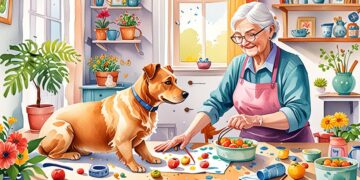
Training Pets for Seniors: Adapted Approaches and Emotional Benefits
Training pets for seniors involves adapted approaches that emphasize patience, simplicity, and positive reinforcement. These methods not only improve pet behavior but also enhance emotional well-being, fostering companionship, reducing loneliness, and promoting social interaction among older adults. Tailored training creates fulfilling bonds between seniors and their beloved pets.

The Impact of Positive Training on the Relationship between Pets and Owners
Positive training significantly enhances the relationship between pets and owners by fostering trust and understanding. This approach emphasizes rewarding good behavior, leading to improved communication, emotional resilience, and a fulfilling companionship. As owners engage positively, they strengthen bonds, creating happier and healthier households for pets and their humans.

Obedience Training Methods: Comparing Traditional and Modern Approaches
This article explores the contrasting philosophies of traditional and modern obedience training methods for dogs. It highlights the use of corrections in traditional approaches versus positive reinforcement in modern techniques, emphasizing their impact on dog behavior and owner relationships. The discussion also introduces balanced training as an effective compromise.

The Importance of Balanced Diets for Dogs: Essential Nutrients for Optimal Health
Ensuring a balanced diet is crucial for dogs' health, providing essential nutrients like proteins, carbohydrates, fats, vitamins, and minerals. Tailoring nutrition to individual needs based on age, breed, and activity promotes longevity and vitality, enhancing overall well-being and deepening the bond between dogs and their owners.

Training Pets for Children: Effective and Safe Techniques
The article emphasizes the importance of training pets safely and effectively, engaging children in the process. It highlights techniques such as positive reinforcement, consistent commands, and fun interactions. Through these methods, families can foster strong bonds while teaching children responsibility, empathy, and communication skills, ensuring harmonious pet relationships.
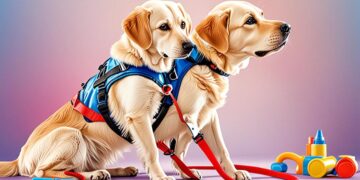
Assistance Dog Training: Specific Methods for Special Needs
This article explores specialized methods in assistance dog training tailored for individuals with special needs. It highlights the importance of task-specific training, socialization, and positive reinforcement techniques, showcasing how these approaches empower handlers and enhance their quality of life through customized support and companionship.