
The Impact of the Environment on Cat Behavior: How to Create a Stimulating Space
Understanding how the environment influences cat behavior is essential for cat owners. Creating a stimulating space enriched with vertical structures, interactive elements, and sensory experiences enhances physical and mental well-being, reducing anxiety and promoting happiness. These thoughtful adjustments foster a deeper bond between cats and their owners, enriching their lives.

Socialization of Pets: The Importance of Positive Interactions for Healthy Behavior
Socialization plays a critical role in promoting healthy behavior in pets. Positive interactions with various environments, people, and animals reduce anxiety and enhance confidence. By utilizing techniques like positive reinforcement and maintaining ongoing socialization efforts, pet owners can foster well-adjusted companions, ultimately improving the quality of life for both pets and their owners.
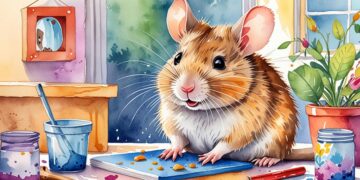
The relationship between stress and the behavior of pet rodents
Understanding the relationship between stress and the behavior of pet rodents is crucial for their well-being. Stress can trigger aggression, changes in eating habits, and excessive hiding, affecting their health. By recognizing stress indicators and addressing environmental and social stressors, owners can enhance their rodents' emotional and physical well-being.

The Psychology of Canine Behavior: How to Understand What Your Dog Is Trying to Say
Discover the intricate psychology of canine behavior to deepen your bond with your dog. By understanding their vocalizations, body language, and social interactions, you can interpret their emotions and needs effectively. Enhanced communication leads to better training, a harmonious relationship, and a fulfilling companionship with your furry friend.

Socialization of Pets: Impact of Interaction with Other Animals and People
Socialization of pets is crucial for their development and well-being, impacting behavior and emotional health. Early, positive interactions with other animals and people foster trust, reduce anxiety, and enhance adaptability. By prioritizing thoughtful socialization, pet owners can create fulfilling lives for their companions while enriching their own experiences.

Changes in cat behavior during different life stages
Cats exhibit distinct behavioral changes throughout their life stages, from the playful curiosity of kittens to the reserved nature of seniors. Understanding these shifts is crucial for providing tailored care, enhancing the bond between pet and owner, and ensuring the well-being of cats at every age.

Understanding the Body Language of Domestic Rabbits
Discover how to interpret the body language of domestic rabbits to enhance your bond and ensure their well-being. By observing cues like ear positions, playful antics, and relaxation behaviors, you can decode their emotions, fostering a happier and more responsive relationship with your furry companion.

The role of instinct in the hunting of domestic cats
Domestic cats exhibit profound hunting instincts inherited from their wild ancestors, showcasing skills such as stealth, agility, and precise pouncing. Their play behavior mimics these instincts, serving as essential practice for survival. Understanding these instincts enriches the human-animal bond and enhances the well-being of domestic cats.
How Music Affects Dogs’ Behavior During Loneliness
This article explores how music affects dogs' behavior during loneliness, highlighting its soothing effects on anxiety and stress. Research indicates that genres like classical and reggae can improve emotional wellbeing, reduce barking, and enhance relaxation, offering innovative ways for pet owners to alleviate their furry companions' feelings of solitude.

The influence of diet on pet bird behavior
A pet bird's diet significantly impacts its behavior, mental health, and social interactions. Providing a balanced, varied diet with fresh foods enhances vitality, curiosity, and sociability. Understanding the connection between nutrition and avian behavior fosters a happier, more engaging environment for pet birds.