Comparative Study of Working Dog Breeds: Shepherds, Hunters, and Guard Dogs
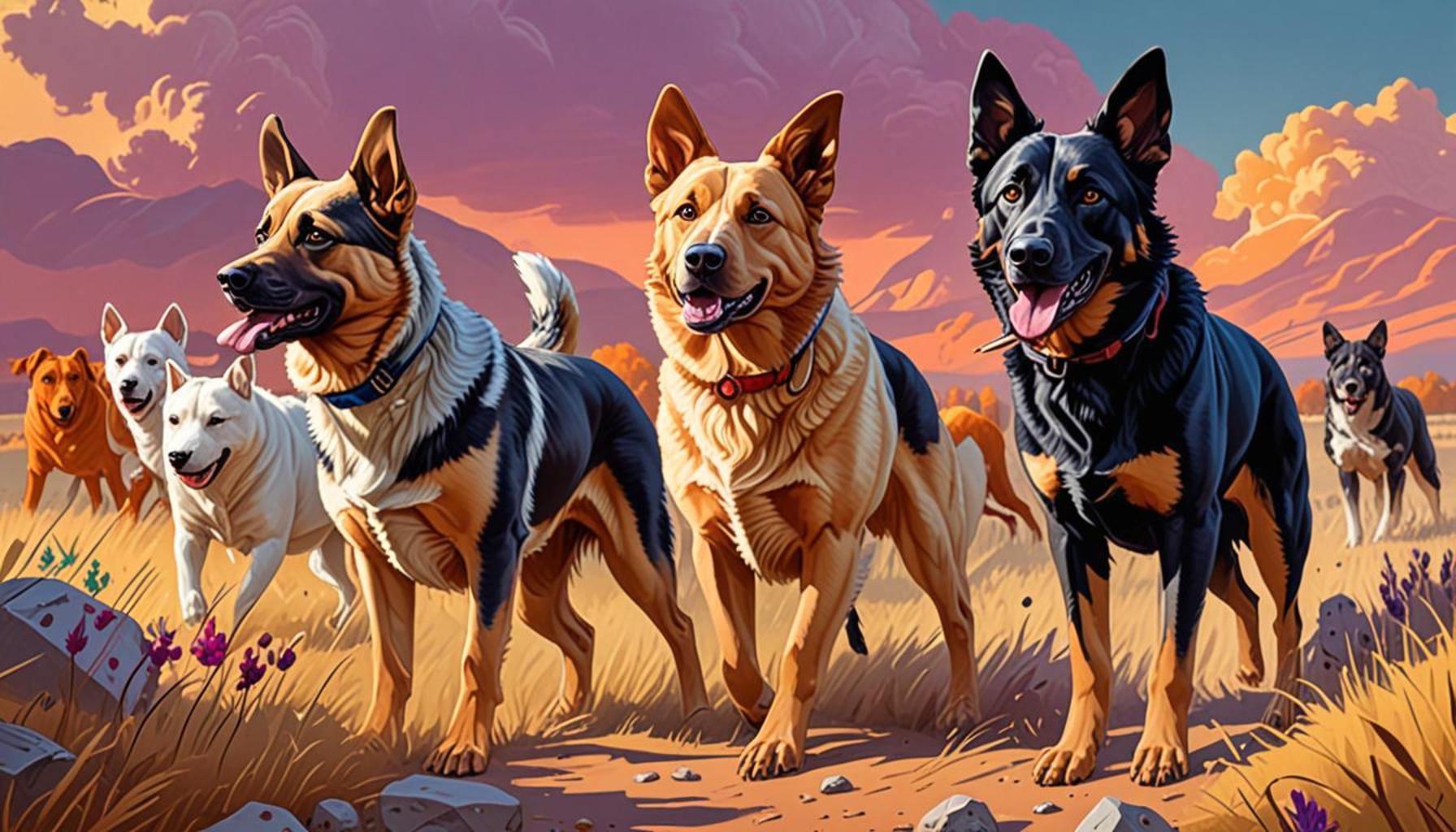
Understanding the Vital Roles of Working Dog Breeds
Dogs have been our companions and helpers for thousands of years. Among them, working breeds stand out, known for their exceptional abilities in various roles. This comparative study dives into the fascinating world of shepherds, hunters, and guard dogs.
Unique Features of Working Dog Breeds
Each category of working dog possesses distinct traits that equip them for their specific tasks. Understanding these differences reveals why certain breeds excel in particular roles:
- Shepherds: Renowned for their intelligence and agility, breeds like the German Shepherd and Border Collie are frequently used for herding livestock. These breeds are not only highly trainable but possess an innate instinct for managing flocks, adeptly guiding sheep and other animals to designated areas while ensuring none stray away. Their historical role as herders reflects in their loyalty and keen problem-solving abilities, making them invaluable partners in agricultural settings.
- Hunters: Bred for their keen senses and stamina, breeds such as the Labrador Retrievers and Beagles excel in tracking and retrieving game. Labradors, known for their friendly disposition, are often employed in both hunting and search-and-rescue operations due to their remarkable sense of smell and energetic nature. Beagles, with their heightened olfactory skills, are excellent at scent detection—often used in wildlife conservation efforts to track endangered species in their natural habitats.
- Guard Dogs: Powerful and protective, breeds like Rottweilers and Doberman Pinschers are trained to ensure security and deter intruders. Their physical prowess pairs with an instinctual drive to defend their territory. With adequate training, they can discern between everyday noises and potential threats, allowing them to act as effective guardians for homes and businesses alike. Furthermore, these breeds require careful socialization to ensure their protective instincts do not turn aggressive.
As we explore each breed, we will uncover their historical roots, training techniques, and the roles they fulfill in modern society. For instance, the German Shepherd, originating from Germany in the late 19th century, was initially bred for herding sheep. Today, they serve multifaceted roles, including police dogs and service animals for individuals with disabilities. Meanwhile, the Labrador Retriever, one of the most popular dog breeds in the United States, not only shines in hunting but also enjoys roles as therapy and assistance dogs, demonstrating their versatility.
Whether for companionship, work, or protection, these dogs not only serve functional purposes but also enrich our lives. They offer support in various domains—from avalanche rescue missions to comforting PTSD veterans. Their unwavering loyalty and diverse skills exemplify why working dog breeds are cherished worldwide.
A Deeper Investigation Awaits
Join us on this journey to discover what makes these dog breeds unique. Understanding their attributes will help you appreciate the invaluable contributions of working dogs to human activities and their significance in various domains. Whether you are interested in their historical evolution or current applications, the stories of these breeds reveal a deep bond between humans and dogs that continues to thrive today.
DISCOVER MORE: Click here to learn about their social interactions
Exploring the Versatile Skills of Working Dog Breeds
As key players in various sectors, working dog breeds showcase extraordinary skill sets tailored to specific functions. This section delves into the intrinsic qualities that set shepherd dogs, hunter dogs, and guard dogs apart. Understanding these qualitative differences not only offers insights into their historical significance but also emphasizes their contemporary applications.
Shepherd Dogs: The Intelligent Herdsmen
Shepherd dogs, primarily characterized by their intelligence and strong herding instincts, play a critical role in livestock management. Breeds like the German Shepherd and the Border Collie are celebrated for their agility, making them adept at guiding and protecting herds. These breeds demonstrate remarkable trainability, allowing them to learn complex commands and tasks at an impressive pace.
- German Shepherd: Originally bred in Germany for herding, they now serve a variety of roles from police work to search and rescue. Their intelligence and loyalty make them steadfast companions.
- Border Collie: Often regarded as the most intelligent dog breed, Border Collies excel in agility competitions and require mental stimulation to prevent boredom.
The effectiveness of shepherd dogs in managing livestock leads to essential contributions in both traditional farming and modern agricultural practices. They not only herd animals but also ensure their safety from potential predators, showcasing their instinctual protective traits.
Hunter Dogs: Nature’s Trackers and Retrievers
Moving to hunting breeds, these canines are specially bred to excel in tracking, retrieving, and fieldwork. Labrador Retrievers and Beagles emerge as front-runners in this category, showcasing a unique blend of keen senses and unwavering stamina.
- Labrador Retriever: Renowned for their friendly nature, these dogs possess superior olfactory capabilities and are often utilized in search and rescue missions, in addition to hunting.
- Beagle: Limited by size yet powerful in scent detection, Beagles are frequently employed in wildlife conservation and detection jobs, responsible for locating endangered species.
The hunting instincts of these breeds make them indispensable in both recreational hunting scenarios and professional search operations, illustrating their versatility and reliability. Moreover, their strong bonding with humans enhances their effectiveness in various roles, leading to rewarding partnerships based on companionship and duty.
Guard Dogs: The Protectors of Home and Hearth
In the realm of protection, guard dogs stand out for their courage and physical strength. Breeds such as the Rottweiler and Doberman Pinscher are prized for their innate protective instincts, making them ideal companions for safeguarding homes and properties.
- Rottweiler: Known for their loyalty and protective nature, Rottweilers often serve in roles requiring both strength and intelligence, making them effective guardians.
- Doberman Pinscher: Agile and alert, Dobermans are recognized for their fearless demeanor, trained to identify and react to potential threats decisively.
While their daunting appearance may seem intimidating, effective training and socialization are pivotal in ensuring guard dogs maintain balance between protection and friendliness. In today’s society, these breeds facilitate a sense of security for many, highlighting their role beyond mere guardianship to trusted family members.
By exploring the distinct characteristics and functions of shepherds, hunters, and guard dogs, it becomes evident how integral they are to human life. Their historically rooted roles have evolved, but their reliance on and bond with humans remain unchanged, providing invaluable support in various scenarios.
| Dog Breed Category | Advantages |
|---|---|
| Shepherds | Known for their intelligence and loyalty, shepherds excel in herding as well as protecting livestock. |
| Hunters | Specialized in tracking and retrieving game, hunters have a keen sense of smell and agility. |
| Guard Dogs | Exceptional in protection duties, guard dogs possess strength and a natural protective instinct. |
| Versatility | Each breed adapts to different environments and tasks, showcasing a unique set of skills. |
| Bonding | Building a lifelong bond, these breeds enhance emotional connections with their owners. |
When exploring the comparative study of working dog breeds, it’s crucial to highlight how these categories not only serve functional purposes but also enrich human lives through companionship and utility. The adaptability of each breed allows them to thrive in various working conditions, from the pastoral fields managed by shepherds to the rugged terrains where hunters pursue their game. Additionally, the protective nature of guard dogs is invaluable, providing safety and security. Each breed offers a remarkable blend of skills and characteristics, making them invaluable partners in their respective roles. This exploration reveals the depths of loyalty and capability within these remarkable animals, prompting further investigation into their specific traits and applications.
LEARN MORE: Click here to discover the connection
The Unique Traits and Training Challenges of Working Dog Breeds
In addition to their specialized roles, working dog breeds exhibit distinctive traits that cater to their functions and highlight the training challenges involved in harnessing their natural abilities. Each breed comes with unique characteristics that require tailored training approaches, further affecting their performance in varied scenarios.
Shepherd Dogs: The Versatile Problem Solvers
Shepherd dogs are not only recognized for their herding capabilities but also for their adaptability to various environments. This adaptability stems from their history of working closely with humans, requiring a strong understanding of commands and signals. An exemplary figure in the shepherd category, the Belgian Malinois, stands out for its deployment in multi-faceted roles ranging from military use to search and rescue due to their quick learning and keen situational awareness.
- Belgian Malinois: This breed is often favored in law enforcement for its combination of agility, strength, and intelligence. With systematic training, they can excel in detection, patrolling, and apprehension tasks.
However, the very traits that make these dogs exceptional can also pose challenges. They require ample mental and physical stimulation. Without proper training or engagement, shepherd dogs can exhibit destructive behaviors, making early socialization and continuous training essential.
Hunter Dogs: Beyond the Hunt
Hunter dogs, adept in tracking and retrieving, exhibit specific instincts that make them invaluable in hunting endeavors. They possess remarkable olfactory senses, allowing them to locate game or track scents. The Bloodhound is a prime example in this category, known for its unparalleled tracking ability; its sense of smell is so acute that it has been used in various search and rescue operations as well as criminal investigations.
- Bloodhound: Their exceptional scent-tracking ability makes them a top choice for searches over extensive terrain, showcasing their vital role beyond the hunting field.
The challenge with hunter breeds lies in their instinct to chase, which can sometimes lead to conflicts in urban settings. Training must be directed toward impulse control and focus, especially in distracting environments, ensuring that these dogs maintain their hunting accuracy while being manageable companions.
Guard Dogs: The Balance of Protection and Temperament
Guard dogs inherently possess traits that make them natural protectors, but developing their temperament requires careful attention. Breeds like the Belgian Tervuren not only showcase physical strength but also exhibit exceptional intelligence, making them versatile choices for various guardian roles. Their ability to assess situations peaceably while responding to threats sets them apart from mere brawn.
- Belgian Tervuren: This breed is particularly noted for its loyalty and trainability, often working perfectly as therapy dogs in security roles, striking an exceptional balance between protection and companionship.
Training guard dogs presents its own hurdles, as their protective instincts must be matched with proper socialization to ensure they remain friendly and well-adjusted in family environments. Specialized training programs can help refine these instincts, creating defensive yet approachable companions.
In understanding the training nuances and the unique attributes of shepherd, hunter, and guard dogs, we underscore the complex relationship between humans and working dog breeds. Each type exhibits its own strength, requiring a strategic approach to ensure they reach their full potential while maintaining harmonious coexistence with humans.
DISCOVER MORE: Click here for insights on training senior pets
Conclusion: The Vital Roles of Working Dog Breeds
The comparative study of working dog breeds—specifically shepherds, hunters, and guard dogs—reveals a fascinating interplay between natural instincts and specialized training. Each breed excels uniquely in its designated role, making vital contributions to human society. Shepherd dogs, like the Belgian Malinois, exemplify versatility and problem-solving, thriving in dynamic environments where they can apply their intelligence and agility. Hunter breeds, such as the Bloodhound, offer extraordinary tracking capabilities, transcending their hunting origins to assist in critical search and rescue operations.
Furthermore, guard dogs like the Belgian Tervuren embody the perfect marriage of protection and temperament, showcasing the need for careful training to balance their inherent protective instincts with sociability. As the working dog breeds continue to evolve based on human needs and lifestyles, it becomes paramount for dog owners, trainers, and enthusiasts to understand their specific traits and challenges. Factors such as early socialization, consistent training, and mental stimulation are essential in nurturing these canines to fulfill their roles effectively.
This comparative analysis serves as a reminder of the complex and rewarding relationship between humans and these remarkable dogs. Whether in a home or at work, the synergy between man and canine is one that demands appreciation and respect. As further research unfolds and our understanding deepens, the potential for enhanced collaboration between species will undoubtedly grow, ensuring that working dog breeds remain invaluable companions and partners in various endeavors.
Related posts:
Hybrid Dog Breeds: Advantages and Challenges for Owners in the USA
Comparison of Popular Cat Breeds and Their Behaviors
The Benefits of Adopting Rescue Dog Breeds: An Analysis of Available Options in the USA
The Evolution of Dog Breeds and Their Roles Throughout History
Cat Breeds: Behavior and Specific Needs
The Importance of Genetics in the Health of Purebred Dogs

Linda Carter is a writer and pet care expert specializing in pet health, grooming, and wellness. With extensive experience helping pet owners create safe, loving, and enriching environments for their animals, Linda shares her knowledge on our platform. Her goal is to empower readers with practical advice and strategies to ensure their pets thrive and lead joyful, healthy lives.