Incorporating Agility Training into Your Dog’s Routine
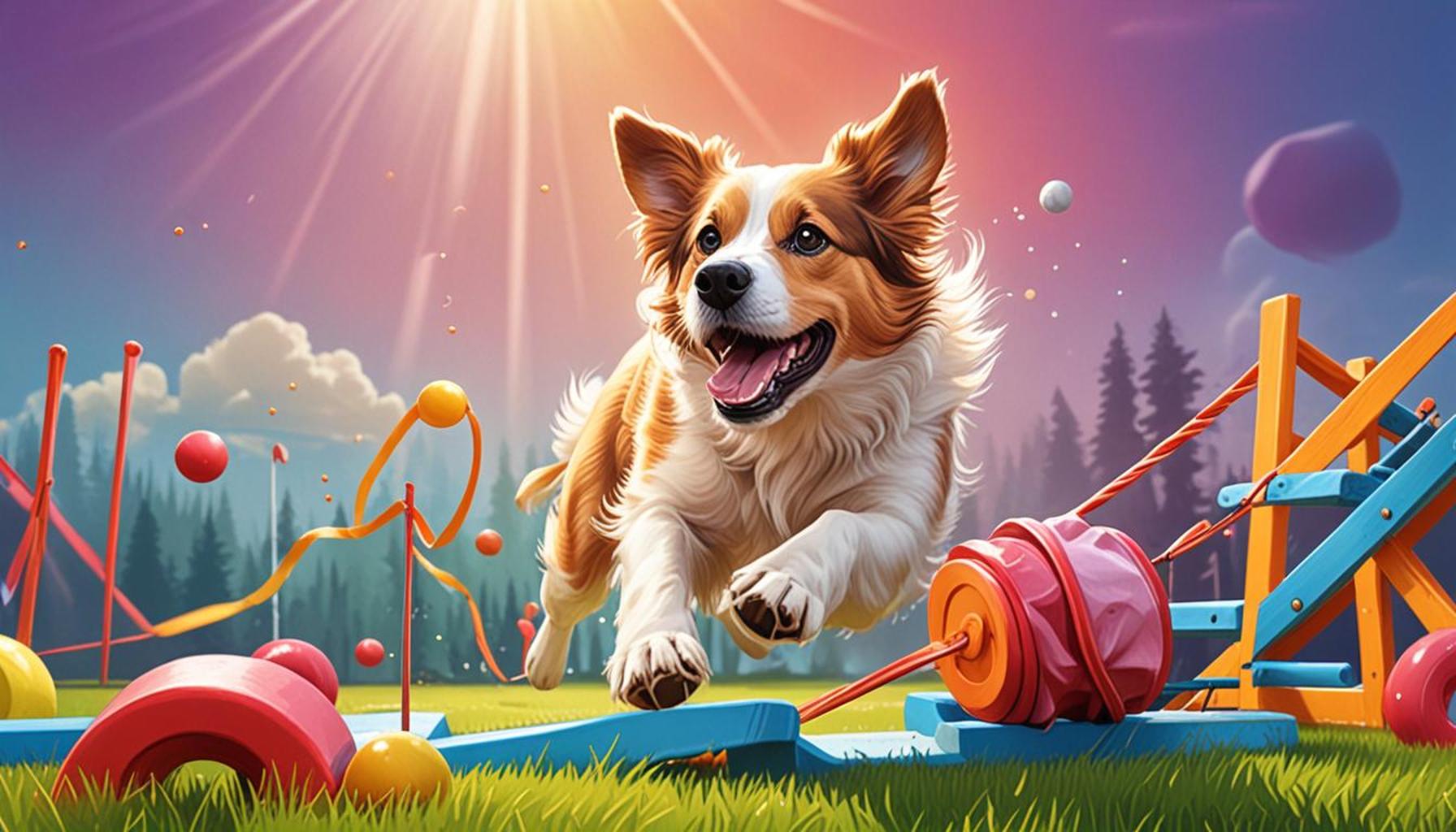
Unlocking the Benefits of Agility Training
In recent years, agility training has emerged as a popular activity among dog owners seeking to enrich their dogs’ lives and enhance their physical and mental wellbeing. In this captivating sport, dogs navigate through a series of obstacles, including tunnels, jumps, and weave poles, fostering not just fitness but also fun. More than just a workout, agility training serves as a stimulating challenge that engages your dog’s natural instincts and energy levels.
What makes agility training particularly appealing to dog owners? Here are some key benefits that highlight its significance:
- Physical Exercise: This sport provides an intensive workout, burning off excess energy and promoting a healthy, balanced lifestyle. Regular training can significantly reduce the likelihood of obesity, a growing concern among pets in the United States.
- Mental Stimulation: Agility courses require dogs to think critically and strategize as they navigate the obstacles, thus sharpening their problem-solving skills. This mental engagement is crucial, as studies indicate that dogs thrive when mentally challenged and can often become bored and destructive without sufficient stimulation.
- Socialization: Agility training classes and competitions offer fantastic opportunities for dogs to socialize with other pets and interact with a diverse group of people, enhancing their behavioral skills and decreasing fearfulness in new situations.
- Confidence Building: Successful navigation of an agility course fosters a sense of achievement, particularly in timid dogs. Gaining confidence through accomplishments during training can lead to improved self-esteem and an overall positive demeanor.
Incorporating agility training into your dog’s daily routine can truly transform their lifestyle and yours. With relatively simple and easily movable obstacles, you can set up an engaging agility course in your backyard or even a local park. Consider creating jump bars with PVC pipes, using hula hoops as tunnels, or utilizing cones for weave poles. For example, a series of cones can be used to create a fun weave course that challenges your dog while also bonding you two as you navigate together.
Furthermore, agility training is not exclusive to high-energy breeds like border collies or German shepherds. Dogs of various sizes and energies, including smaller or more laid-back breeds like pugs or bulldogs, can also benefit from agility exercises adapted to their capabilities. Tailoring the activities to suit your dog’s unique personality and fitness level can keep them motivated and keen to partake in the training.
As you consider delving into the world of agility training for your pet, numerous resources are available to guide you through the process. Look for local training schools or clubs, watch tutorial videos online, or even borrow books from libraries that detail different obstacles and techniques. Regardless of where you start, agility training promises to be an exhilarating journey towards a healthier, happier dog. Your furry friend deserves the best, and agility training could be the ticket to a fun-filled, vibrant life.
DISCOVER MORE: Click here for tips on traveling with your pet
Getting Started with Agility Training
Embarking on the journey of agility training with your dog can be an exhilarating experience. However, before you dive into it, there are essential steps you’ll want to take to ensure that both you and your canine companion are set up for success. Planning and preparation are key to creating a positive training environment that encourages growth and learning.
First and foremost, assess your dog’s readiness for agility training. Consider their physical condition, age, and temperament. For younger dogs, it’s important to ensure that their growing bodies can handle the physical demands of agility work. Conversely, older dogs may require modifications or more gentle activities to accommodate any joint or health issues. Regardless of age, always consult with your veterinarian prior to starting any new workout routine, especially one as demanding as agility training.
Once you have determined that your dog is ready, creating a conducive training environment is essential. Here are several practical tips to establish your agility training routine:
- Choose the Right Location: Look for a safe, open space that is free from distractions, such as busy streets or unfamiliar dogs. Your backyard, a local park, or even your garage can serve as effective locations for practicing agility.
- Select Appropriate Obstacles: Begin with simple obstacles that align with your dog’s skill level. Utilize affordable items like cones, tunnels made with hula hoops, or low jumps using PVC pipes. As your dog gains confidence, you can gradually increase the complexity of the course.
- Establish a Training Schedule: Consistency is crucial in agility training. Set aside specific times each week to practice, creating a structured routine that benefits both you and your dog. Short, frequent training sessions (15-30 minutes) tend to yield the best results while keeping your dog engaged.
- Use Positive Reinforcement: Dogs respond best to positive reinforcement. Reward your dog with treats, praise, or playtime every time they complete an obstacle successfully. This helps create a positive association with the activity and fosters a willingness to learn.
In addition to creating a training routine, educating yourself about dog behavior and agility techniques will significantly enhance your experience. Books, online courses, and videos can serve as valuable resources. Joining local agility clubs or attending workshops can provide you with hands-on training while allowing your dog to meet and interact with other dogs, enhancing their social skills.
As you embark on this training adventure, remember that patience is vital. Progress may happen gradually, and every dog learns at their own pace. By incorporating agility training into your dog’s routine, you not only boost their physical fitness but also strengthen the bond you share. Bringing joy, confidence, and excitement to your dog’s life through agility training is a rewarding commitment that will undoubtedly pay off in spades.
| Advantages | Description |
|---|---|
| Enhanced Physical Fitness | Agility training promotes cardiovascular health and helps maintain a healthy weight through active engagement. |
| Mental Stimulation | Engaging in agility exercises challenges your dog’s problem-solving abilities, keeping them mentally sharp and engaged. |
| Improved Bonding | Training together fosters a stronger connection between you and your dog, enhancing trust and communication. |
| Socialization Opportunities | Participating in group training sessions provides a chance for your dog to interact with other dogs, reducing anxiety in social situations. |
Incorporating agility training into your dog’s routine offers a wealth of benefits that go beyond mere physical exercise. By engaging in activities that require speed, coordination, and obedience, you can effectively enhance your dog’s overall well-being. For those looking to improve their dog’s fitness, agility training sets the stage for a workout that emerges as not only enjoyable but also rewarding. The mental enrichment that comes from navigating obstacles sharpens cognitive skills and fosters a sense of achievement. Moreover, this dynamic approach to training bolsters the relationship between owner and pet—a bonding experience that emphasizes teamwork. Each challenge presents a new opportunity for positive reinforcement, allowing for a deeper understanding of communication cues between you and your furry friend.Engaging in agility classes or training sessions also opens doors to new friendships, as your dog gets to socialize with others in the agility community. These interactions can help alleviate behavioral issues related to anxiety or fear in novel situations, making agility training a holistic approach to your dog’s routine. If you’re intrigued by the myriad advantages of agility training, now is the perfect time to explore this exciting domain and see the difference it can make!
DISCOVER MORE: Click here to learn about cognitive training with interactive toys
Enhancing Agility Training: Techniques and Tips
As you and your dog embark on the journey of agility training, understanding various techniques will allow your training sessions to be effective and enjoyable. While the basics of agility encourage foundational skills, you can always expand and modify your approach to keep both you and your pup engaged.
One essential method to explore is the concept of shaping. This involves breaking down complex tasks into smaller, manageable behaviors that your dog can master step-by-step. For example, instead of expecting your dog to complete an entire jump sequence immediately, start by rewarding them for simply approaching the jump. Once they are comfortable, incrementally encourage them to leap over the obstacle. This gradual buildup fosters a sense of accomplishment, ensuring your dog remains excited about the training process.
Another vital component of agility training is desensitization to the obstacles. Sometimes dogs may be wary of new equipment, such as tunnels or teeter-totters. Introduce these obstacles slowly, allowing your dog to explore and familiarize themselves without pressure. Using treats to lure them through or over obstacles creates a positive association and builds their confidence. For instance, you could toss a treat just beyond a tunnel entrance, encouraging your dog to venture inside willingly.
Incorporating variety into your training sessions is equally important. Dogs can grow bored when routines become too repetitive. To counteract this, mix up the course layout, adding new obstacles, or changing the order in which they are approached. This not only keeps your dog intellectually stimulated but also enhances their problem-solving abilities. You might consider rotating in seasonal activities, such as participating in outdoor agility events during the summer or hosting agility-themed playdates with friends and their dogs.
Collaboration with your dog can further elevate your sessions. Emphasizing teamwork between you and your dog is essential in agility training. This can be achieved through clear body language and effective communication. Pay attention to your movements; using hand signals in conjunction with verbal commands can enhance your dog’s understanding of what you expect from them. For example, guiding your dog using your arms while simultaneously calling their name can help create a seamless flow as they navigate the course.
Finally, don’t forget the importance of cool-downs and rewards after each session. Dogs, like humans, need to relax and recover after a workout. Take a few minutes to stretch, offer fresh water, and allow your dog to explore the environment post-training. Following each session with a hearty playtime or a favorite toy rewards your dog’s effort and maintains motivation for your subsequent training sessions.
By enhancing your agility training approach with these techniques and considerations, you can foster a more enriched experience for your dog. Incorporating agility training into your dog’s routine goes beyond physical fitness; it becomes a powerful tool to deepen the bond between you and your furry friend while heightening their overall happiness and confidence.
DIVE DEEPER: Click here to discover more
Conclusion: The Transformative Power of Agility Training
Incorporating agility training into your dog’s routine is not just an exercise regimen; it’s a dynamic journey that transforms how you and your canine companion interact and experience the world together. The benefits are multifaceted, enhancing not only your dog’s physical fitness and coordination but also their psychological well-being. With techniques like shaping, desensitization, and promoting teamwork, you create a vibrant training environment that thrives on trust and communication.
Moreover, the variety of exercises and obstacles stimulates your dog’s mental agility, encouraging them to think creatively and problem-solve in different scenarios. This adaptability is crucial, especially as you introduce new agility challenges or participate in community events that showcase what both of you have learned. The joy of agility training lies in its ability to foster a stronger bond between you and your dog, built on shared achievements and interaction.
As you embark on this rewarding journey, remember that patience and positivity are key. Celebrate small victories, provide ample rewards, and always prioritize fun over perfection. With each run through the course, you’ll not only see your dog grow in confidence and skill but also appreciate how much agility training enhances your shared experiences. So grab that leash, set up your equipment, and let the adventure of agility training enrich both your lives. The playground awaits!
Related posts:
Training Your Pet for Travel: Tips for a Stress-Free Journey
The Impact of Positive Training on the Relationship between Pets and Owners
Cat Training: Effective Methods for Teaching Desired Behaviors
Exploring the Effectiveness of Positive Training in Dogs: Methods and Results
The Importance of Positive Training for Dogs: Methods and Benefits
Puppy Socialization Techniques: Preparing Your Pet for the World

Linda Carter is a writer and pet care expert specializing in pet health, grooming, and wellness. With extensive experience helping pet owners create safe, loving, and enriching environments for their animals, Linda shares her knowledge on our platform. Her goal is to empower readers with practical advice and strategies to ensure their pets thrive and lead joyful, healthy lives.