The Impact of the Environment on Cat Behavior: How to Create a Stimulating Space
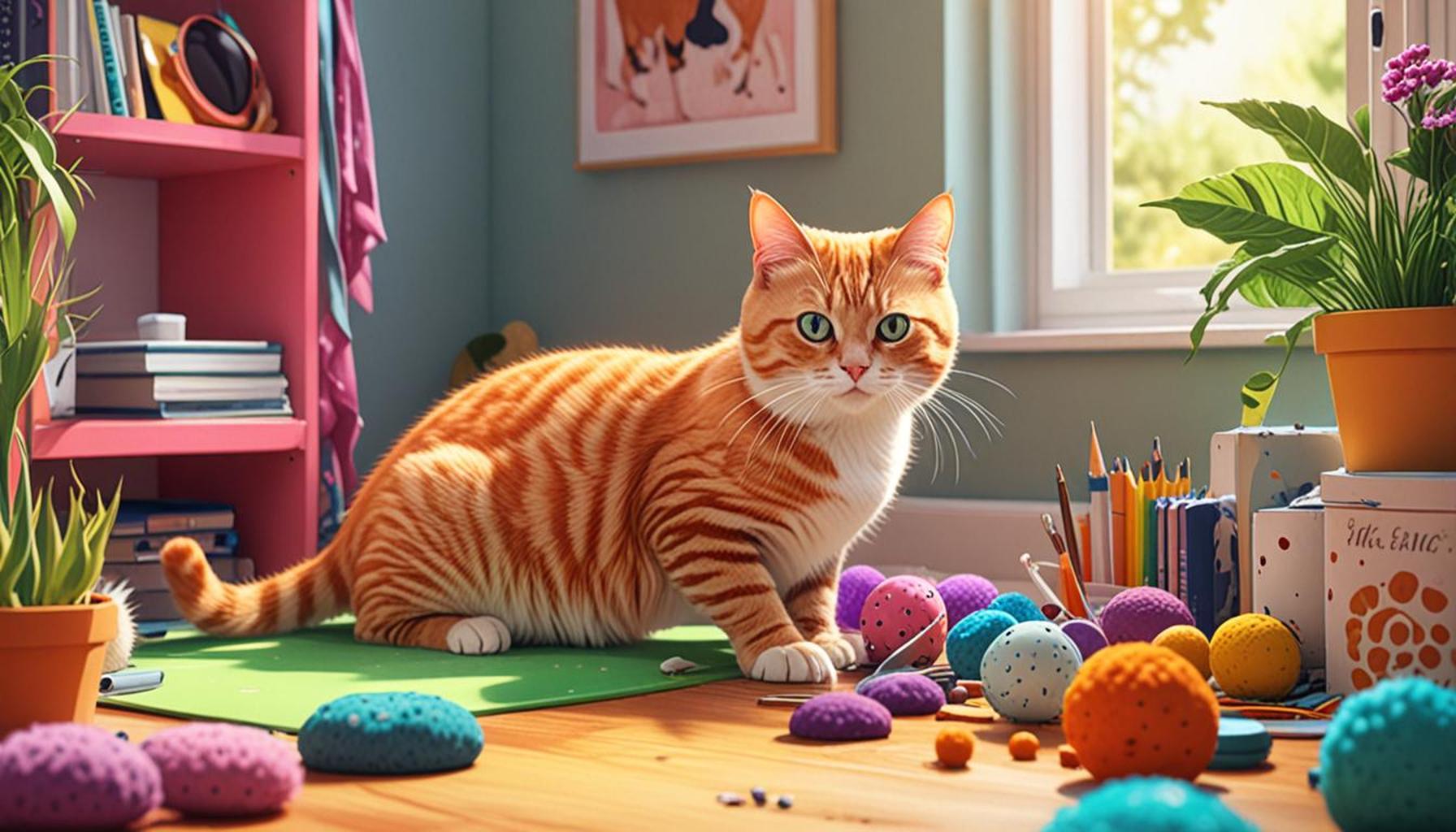
The Intricate Dynamics of Environment and Feline Behavior
Our feline friends are more than just adorable companions; they are complex creatures influenced significantly by their environment. Their behavior can reveal how well their needs for stimulation and safety are met. Recognizing this intricate relationship is crucial for cat owners, as it allows them to create spaces that not only meet their pets’ physical needs but also promote psychological well-being and happiness.
There are several key factors that shape a cat’s behavior through their environment:
- Space: Is there enough room for exploration? Cats are naturally curious and territorial. A cramped living space can lead to stress and behavioral issues. For instance, many cats enjoy patrolling their domain, and providing ample space encourages natural exploration and reduces anxiety. Providing a multi-room environment where a cat can explore and retreat will contribute to a sense of security.
- Vertical surfaces: Are there places for climbing and observation? Cats instinctively seek out high places for vantage points. Cat trees, shelves, and window perches can fulfill this need. For example, a well-placed cat tree near a window not only allows a cat to survey their territory but also stimulates their hunting instincts as they watch birds or squirrels outside.
- Interactive elements: Are there toys and activities to engage their instincts? Toys that mimic prey, such as feather wands or laser pointers, can stimulate a cat’s hunting drive. Additionally, providing puzzle toys filled with treats can keep their minds sharp and help alleviate boredom, which is especially important for indoor cats.
Moreover, the concept of environmental enrichment cannot be overstated. Indoor cats, in particular, can suffer from boredom and anxiety without appropriate stimuli. An enrichment-rich environment helps prevent destructive behaviors and obesity, common issues in less active cats. Simple additions like a cardboard box for hiding or a scratching post can make all the difference in encouraging natural behaviors.
Furthermore, consider creating a sensory experience by incorporating various textures, scents, and sounds. For instance, using catnip or providing a serene soundscape of nature sounds can create a calming atmosphere. Experimenting with different configurations and elements can lead to discovering what resonates best with your cat’s unique personality.
Understanding the impact of the environment on cat behavior opens the door to a deeper bond between you and your furry companion. By transforming your living space into a cat paradise, you not only enhance their quality of life but also enrich your shared experience. Stay with us as we explore various strategies and insights that can make your home a haven for your feline friend. The journey of crafting a more stimulating environment is both rewarding and enlightening—and your cat will undoubtedly thank you for it!
DISCOVER MORE: Click here to learn about the benefits of animal-assisted therapy
Designing Cat-Friendly Spaces: Key Elements to Consider
Creating a stimulating environment for cats is vital for their overall happiness and well-being. A well-designed space not only satisfies their instinctive needs but can also enhance their mood and reduce anxiety. To achieve this, several essential elements should be taken into account by cat owners looking to transform their home into a feline-friendly haven.
First and foremost, availability of personal space is crucial. Cats appreciate having their own territory, where they can relax without disturbances. This could be achieved through cozy corners filled with soft bedding or designated safe zones, where they can retreat when feeling overwhelmed. Providing secluded areas can also help fulfill their natural desire for privacy, reducing stress and leading to a calmer demeanor.
Next, consider the importance of diverse play areas. Below are some insights into how to create engaging play zones in your home:
- Interactive Play Zones: Allocate specific areas for play, outfitted with toys that encourage interactive engagement. Whether it be feather wands, balls, or crinkle toys, having an array of options bolsters their hunting instincts and offers essential mental stimulation.
- Designated Scratching Posts: Cats have an inherent need to scratch, and providing durable scratching posts can prevent destructive behavior on furniture. Position these posts in various locations, especially near their sleeping and play areas, to encourage frequent use.
- Variety of Textures: Use a range of materials, such as soft blankets, sisal rope, and carpeted surfaces, to engage your cats’ tactile senses. Different textures can pique their interest and invite exploration and interaction.
Additionally, the benefits of sensory stimulation shouldn’t be overlooked. Cats experience the world through their senses, making it imperative to create an environment rich in sensory experiences. Consider using:
- Visual Stimulation: Incorporate items like climbing shelves, which not only give cats a height advantage but also expose them to a broader visual landscape.
- Scent Enrichment: Introduce elements such as catnip-infused toys or fragrant herbs. A simple indoor herb garden featuring cat-safe plants can offer enriching scents that stimulate their exploratory nature.
- Aural Elements: Introduce calming sounds, like soft music or nature sounds, which can help create a peaceful atmosphere. Conversely, watching birds or other wildlife from a window can engage their auditory instincts.
Ultimately, understanding how environment influences cat behavior is paramount for cat owners. By thoughtfully designing their spaces with essential elements that cater to their physical and psychological needs, they can mitigate behavioral issues and enhance their cats’ quality of life. In the next section, we will explore more innovative strategies that can further enrich your cat’s environment and solidify that bond between you and your four-legged family member.
Creating a stimulating environment for your feline friend is crucial in shaping their behavior and ensuring their overall well-being. The environment can significantly impact a cat’s mental and physical health, influencing everything from playfulness to anxiety. To help your cat thrive, consider integrating various elements into their space.Firstly, vertical space is essential for cats, as they are natural climbers. Providing cat trees, shelves, or window perches allows them to explore their territory from different vantage points. This not only satisfies their instinct to climb but also gives them a safe space to observe their surroundings, which can reduce stress and increase their confidence.Additionally, incorporating diverse textures and materials into their space can stimulate their senses. Soft beds, crinkly toys, and scratching posts provide different tactile experiences, keeping your cat engaged and entertained. Ensuring that toys are varied—feather wand toys, laser pointers, or puzzle feeders—can also stimulate their hunting instincts, providing mental challenges that are rewarding and fulfilling.The use of natural elements, like live plants, can enhance a cat’s environment significantly. Certain cat-friendly plants such as catnip or cat grass can promote healthy chewing habits and excite their senses. However, it’s vital to research plants carefully, as some can be toxic to cats.Lastly, creating zones within your home can cater to your cat’s different needs, such as a quiet lounging area, an interactive play zone, and a safe feeding station. This segmentation allows your cat autonomy over their environment, reducing stress and promoting natural behaviors.To bring it all together, ensuring that your home acts as a stimulating space tailored to your cat’s needs will significantly impact their behavior and health, fostering a happy and balanced life. Now, let’s explore the specific advantages of creating such environments by examining a table that categorizes these benefits succinctly.
| Category | Benefits |
|---|---|
| Vertical Spaces | Encourages climbing instincts, reduces stress |
| Diverse Textures | Engages senses, promotes playfulness and exercise |
| Natural Elements | Supports health, stimulates curiosity and exploration |
| Zoned Areas | Reduces anxiety, allows for natural behaviors |
By understanding and implementing these strategies, you can create a dynamic and inviting environment that meets your cat’s diverse needs.
DIVE DEEPER: Click here to learn about the importance of a balanced diet for your dog
Enhancing Cat Spaces: Innovative Strategies for Engagement
After establishing the fundamentals of a cat-friendly space, it is essential to explore innovative strategies that can further elevate your home environment, ensuring it meets the psychological and physical needs of your feline friend. As cats are inherently curious and playful creatures, incorporating unique elements can foster an engaging atmosphere that keeps them stimulated and happy.
One of the most effective methods of enrichment is through the incorporation of vertical spaces. Cats love to climb and observe their surroundings from higher vantage points. Installing cat trees or shelves allows them to fulfill this instinct. Consider creating a multi-level climbing structure by placing shelves at varying heights, making sure they are securely mounted. Not only does this promote physical activity, but it also offers your cat a place to perch and survey their environment, satisfying their territorial desires.
Moreover, introducing interactive technology can keep cats mentally engaged while catering to their natural hunting instincts. Automated laser toys or treat-dispensing puzzle feeders can provide endless entertainment. These devices may simulate a mouse scurrying across the floor, activating your cat’s instinct to stalk and pounce. Additionally, investing in smart pet cameras equipped with motion detection can allow you to engage with your cat remotely. Through apps, owners can activate toys or dispense treats while away from home, ensuring their feline companions have plenty of stimuli even in their absence.
Another compelling strategy is creating a multi-sensory environment. This involves selecting various elements that cater to your cat’s visual, tactile, and olfactory senses. For example, utilizing textured wall panels or mixed materials on cat shelves can provide varied surfaces for climbing and lounging. You might also consider generating a “scent corner” featuring essential oils safe for cats, such as lavender or chamomile. Not only do these scents calm and relax, but they also engage your cat’s keen sense of smell.
In addition to sensory elements, having a variety of environmental changes is crucial in breaking the monotony that cats might face in their daily routine. Regularly rotating toys, rearranging furniture, or bringing in new scratching posts can keep their environment fresh and stimulating. A simple shift in the arrangement of their space can rekindle curiosity and encourage exploration. If your cat is primarily an indoor pet, consider introducing a window perch to provide a front-row seat to the outside world. This provides not only entertainment but also a change of scenery as they watch birds, insects, or even fallen leaves swaying in the breeze—stimulating both their visual and cognitive senses.
Finally, consider the role of socialization in a cat’s environment. Providing opportunities for interaction with other pets—if applicable—or human family members can lead to a more enriching experience. Engaging in play sessions with their favorite toys or practicing tricks and commands fosters bonding while stimulating your cat’s mind. Research indicates that social interactions can significantly reduce feelings of loneliness and boredom, making a well-socialized cat less likely to engage in behavioral issues stemming from anxiety or stress.
By embracing these innovative strategies, cat owners can proactively enhance their cats’ environments, leading to happier, more fulfilled felines. The impact of a thoughtfully designed space is evident, as it aligns with a cat’s instincts and needs, ultimately ensuring a stronger bond between you and your furry companion.
DISCOVER MORE: Click here to learn about natural feeding benefits
Conclusion: Fostering a Happy Feline
In summary, recognizing the profound impact of the environment on cat behavior is crucial for ensuring our feline friends lead thriving lives. By creating a stimulating space that caters to their natural instincts, cat owners can significantly enhance their pets’ quality of life. The integration of vertical spaces for climbing, the use of interactive technology, and the establishment of a multi-sensory environment contribute not only to physical engagement but also to mental stimulation, fostering healthy behaviors.
Moreover, frequent environmental changes and opportunities for socialization play essential roles in maintaining an engaging atmosphere. These strategies not only help combat boredom and anxiety but also promote stronger bonds between cats and their owners. The effects of a well-designed space can be seen in a cat’s increased happiness and reduced destructive behaviors, underscoring the importance of thoughtful planning.
Continually adapting and improving your cat’s environment will ensure it remains a joyful haven. Whether through simple adjustments or innovative technologies, you have the power to transform your home into a paradise for your feline companion. As you embark on this journey, remember that a happier cat leads to a harmonious home—one where the unique relationship between you and your furry friend truly flourishes.
Related posts:
How the home environment affects pet behavior
The relationship between the owner's routine and the behavior of dogs and cats
The relationship between stress and the behavior of pet rodents
Socialization of Pets: Impact of Interaction with Other Animals and People
The influence of genetics on the behavior of different cat breeds
The role of instinct in the hunting of domestic cats

Linda Carter is a writer and pet care expert specializing in pet health, grooming, and wellness. With extensive experience helping pet owners create safe, loving, and enriching environments for their animals, Linda shares her knowledge on our platform. Her goal is to empower readers with practical advice and strategies to ensure their pets thrive and lead joyful, healthy lives.