The Importance of Regular Check-ups: Preventing Diseases in Pets
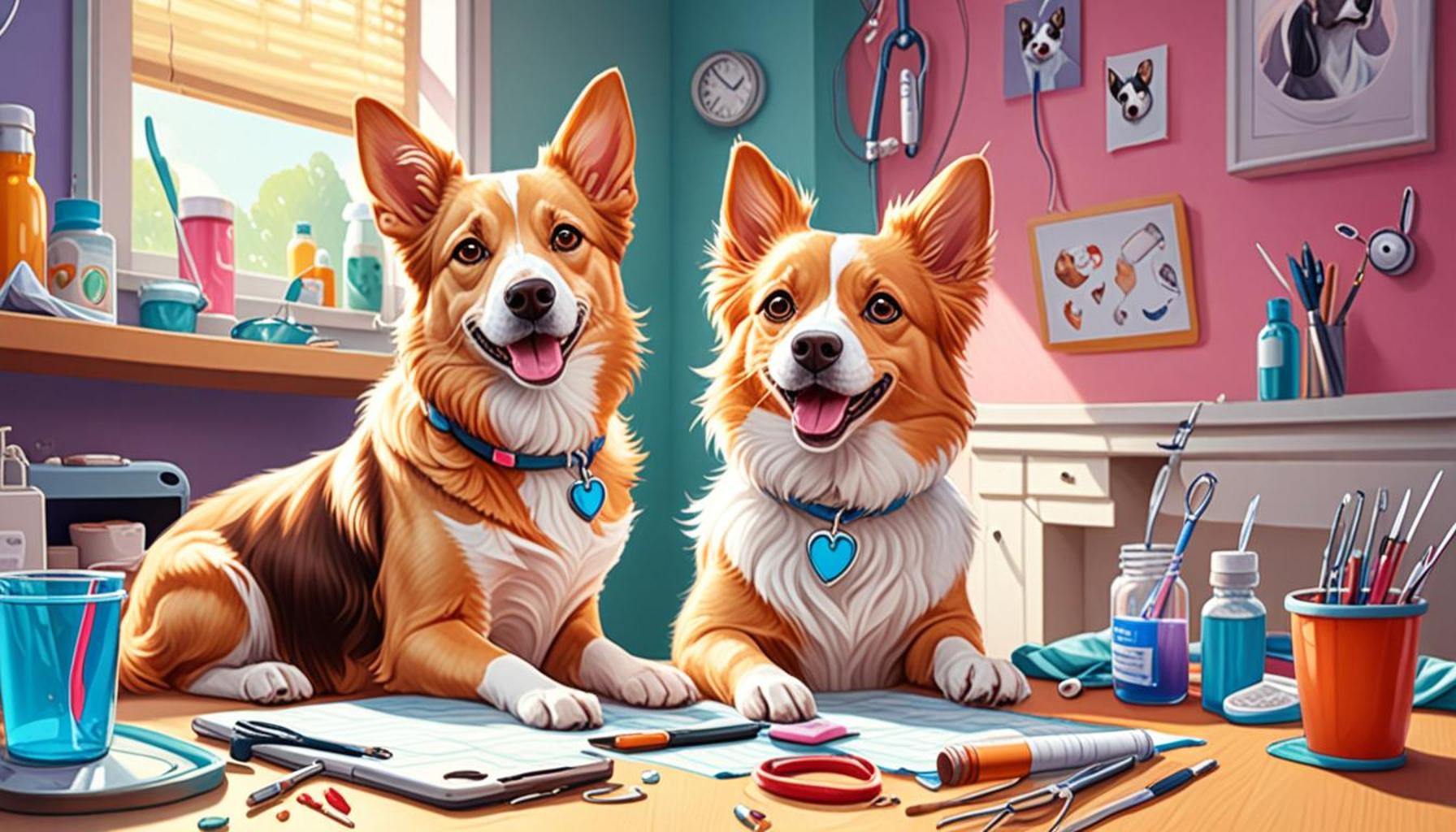
The Importance of Regular Check-ups for Your Pets
Routine health care for pets is not just a recommendation, it’s a necessity. Just like humans, our beloved companions depend on regular veterinary visits to ensure they lead long and fulfilling lives. These check-ups can play a critical role in identifying health problems early, often before symptoms become apparent, making the difference between a manageable condition and a serious health crisis.
Benefits of Regular Veterinary Visits
- Early Detection: Regular check-ups allow veterinarians to perform comprehensive examinations, which can lead to the early detection of diseases such as diabetes, kidney disease, and various cancers. For instance, dogs are prone to a type of cancer called lymphoma, which, if caught early, can be treated more effectively.
- Vaccination Management: Keeping your pet’s vaccinations current is crucial in preventing infectious diseases. For example, diseases like parvovirus in dogs or feline leukemia in cats can be devastating and costly to treat, but they are largely preventable through timely vaccinations.
- Weight Monitoring: Obesity is one of the most common health issues affecting pets in the United States. Regular visits to the vet can help monitor your pet’s weight and provide guidelines for nutrition and exercise, thereby preventing obesity-related issues such as arthritis and heart disease.
- Dental Health: Pet dental care is often overlooked, yet it is vital for overall health. Regular check-ups afford veterinarians the opportunity to assess dental health, perform cleanings, and prevent more serious conditions like periodontal disease that can lead to organ damage.
In the United States, the standard practice is for pet owners to schedule annual or biannual check-ups. These visits are integral to enhancing the quality of life for pets. Early identification of conditions not only contributes to effective treatment but also minimizes the financial burden on pet owners, as catching issues early generally leads to less costly interventions.
Additionally, these check-ups provide a platform for pet owners to engage in important conversations with their veterinarians about their pets’ dietary requirements and behavioral trends. For instance, a sudden change in behavior may signal an underlying health issue. By working closely with veterinarians, owners can tailor their pet’s care to suit its unique needs.
The bottom line is that proactive pet care, characterized by regular check-ups, results in longer and happier lives for our furry friends. A little investment in time and money can yield significant rewards in the form of well-being for your pets. Don’t wait for symptoms to arise—ensure your pet benefits from comprehensive health care today!
DON’T MISS OUT: Click here for essential nutrition tips
Understanding the Crucial Role of Preventive Care
Regular veterinary check-ups are an essential component of pet ownership that goes beyond simple wellness; they are a cornerstone of preventive care. Just as humans are encouraged to undergo regular health screenings, pets require a similar type of vigilance to combat potential health issues before they escalate. This proactive approach is where the true value of routine check-ups shines, allowing pet owners to stay one step ahead of potential health setbacks.
Why Preventive Care Matters
Many pet owners may wonder why they should invest in regular veterinary visits when their pet appears healthy. The reality is that pets, much like humans, can often mask signs of illness until a condition becomes severe. A major focus during these examinations is to ensure that your pet is not silently suffering from any underlying diseases. Here are some compelling reasons to prioritize preventive care:
- Monitoring Vital Signs: Regular visits allow veterinarians to monitor key health indicators, such as heart rate, respiratory rate, and temperature. Abnormalities in these vital signs could be early warnings of health issues.
- Screening for Hidden Conditions: During check-ups, veterinarians can run tests such as blood work or urine tests to identify any hidden diseases. For example, conditions like hyperthyroidism and kidney disease are common in older pets but often go unnoticed until they reach advanced stages.
- Behavioral Observations: Changes in behavior, whether it’s increased lethargy or sudden aggression, can be caused by physical ailments. Regular check-ups provide an opportunity for veterinarians to assess these behavioral signs and recommend appropriate interventions.
- Personalized Health Plans: Each pet has unique health needs based on their breed, age, and lifestyle. Veterinary visits allow for personalized healthcare recommendations, ensuring that your furry friend receives tailored nutrition and exercise plans to maintain their optimal health.
In the United States, many veterinarians emphasize the importance of preventive care by advocating for a health assessment at least once a year. However, for senior pets or those with existing health issues, semi-annual visits may be recommended. This regularity can be invaluable in not only sustaining a pet’s quality of life but also enhancing their lifespan significantly.
Preventive care is all about investing in your pet’s future health today. By giving your pet the opportunity for regular evaluations and preventive measures, you drastically reduce the risk of severe health complications down the line. It’s a small commitment that can lead to a lifetime of health and happiness for your cherished companion.
The Importance of Regular Check-ups: Preventing Diseases in Pets
When it comes to the health and well-being of our beloved pets, early detection of health issues is crucial. Regular check-ups allow veterinarians to identify potential problems before they become serious. This proactive approach can significantly improve the chances of successful treatment and can ultimately save your pet’s life. Regular examinations are not just about vaccinations but are also important for monitoring your pet’s overall health.
During these visits, your veterinarian can assess your pet’s weight, dental health, and skin condition, as well as conduct tests for common diseases. For example, a thorough examination can reveal underlying conditions such as diabetes or kidney disease, which often develop silently and can be life-threatening if left unchecked.
Moreover, regular vet visits foster a strong relationship between your pet and the veterinarian, leading to a more comfortable experience for your animal during medical assessments. A familiar environment and routine can help lower your pet’s anxiety, making future visits much easier.
In addition, preventative care measures taken during these check-ups—such as vaccinations and parasite control—are essential in maintaining your pet’s health and preventing the outbreak of diseases that could affect not only your pet but also other animals and humans in the community.
Ultimately, investing in regular veterinary check-ups is investing in a longer, healthier life for your pet. The benefits of routine health evaluations cannot be overstated, as they are fundamental to ensuring the well-being and happiness of your furry companions.
| Category | Advantages |
|---|---|
| Preventative Care | Regular check-ups help detect diseases early, enhancing treatment success. |
| Relationship with Veterinarian | Frequent visits build trust, ensuring comfort and cooperation during medical check-ups. |
Confidence in your pet’s health is paramount, and regular check-ups play a pivotal role in achieving that peace of mind. A veterinarian’s expertise can help identify health risks and establish preventive strategies that contribute to a healthier and happier life for your pet.
DISCOVER MORE: Click here for innovative training ideas
Recognizing Health Trends Through Regular Evaluations
Regular veterinary check-ups not only help in identifying current health issues but also play a vital role in noticing trends over time. With consistent assessments, veterinarians can track changes in a pet’s health and behavior, which can be instrumental in diagnosing chronic conditions early. For instance, weight gain in a pet might signify underlying thyroid problems or diabetes. By maintaining a health history, veterinarians can provide insight into gradual changes that may otherwise go unnoticed in everyday interactions.
The Power of Vaccinations and Parasite Control
One of the primary functions of routine check-ups is to ensure that pets receive their vital vaccinations on schedule. Vaccines are essential in protecting pets from contagious diseases such as rabies, parvovirus, and distemper. The American Animal Hospital Association (AAHA) recommends that puppies and kittens start their vaccination series as early as six weeks of age, with additional boosters throughout their lives. Regular check-ups enable veterinarians to assess the need for additional vaccinations based on lifestyle, regional disease prevalence, and more, effectively safeguarding against preventable illnesses.
Additionally, parasite control is another critical component. In the United States, pets are frequently susceptible to fleas, ticks, and intestinal parasites, all of which can lead to severe health complications. During check-ups, veterinarians can recommend the appropriate treatments and preventive measures tailored to your pet’s exposure risk. For example, heartworm disease, transmitted by mosquitoes, is a significant threat in many regions, and a simple blood test during a check-up can ascertain if preventative measures are needed.
Enhancing the Aging Process with Regular Monitoring
As pets age, they face unique health challenges, making regular veterinary visits even more critical. Geriatric examinations typically involve a more thorough assessment of joint health, dental condition, and organ function, which can help catch age-related diseases like arthritis, dental disease, and organ dysfunction. By being proactive with regular check-ups as pets age, owners can make informed decisions that improve their pets’ quality of life. For instance, tailored exercise and dietary recommendations can alleviate discomfort due to aging and maintain a healthy weight.
- Oral Health Monitoring: Dental disease is one of the most common health problems faced by pets, yet many owners overlook dental care. During routine check-ups, veterinarians can identify any periodontal disease and recommend appropriate dental cleanings or at-home care.
- Nutrition and Weight Management: Obesity is a growing concern among pets in the U.S., with estimates suggesting that around 56% of dogs and 60% of cats are overweight or obese. Routine check-ups provide an opportunity for veterinarians to formulate a nutrition plan that helps maintain a healthy weight, preventing related complications such as diabetes or heart disease.
Furthermore, certain breeds are predisposed to specific health conditions, such as hip dysplasia in German Shepherds or skin allergies in French Bulldogs. Regular check-ups equip veterinarians to educate owners on early warning signs specific to their pet’s breed and lifestyle, enabling timely interventions. By fostering a relationship of trust and awareness with healthcare providers, pet owners can participate more actively in their pets’ ongoing health management.
Overall, emphasizing the importance of regular veterinary check-ups can lead to healthier, longer lives for pets. By detecting issues early and implementing preventive measures, pet owners invest in their companion’s future well-being and happiness.
DISCOVER MORE: Click here to learn about early socialization effects
Conclusion: Prioritizing Pet Health Through Regular Check-ups
The significance of regular veterinary check-ups cannot be overstated when it comes to preventing diseases in pets. These routine visits serve as an invaluable tool for monitoring overall health, identifying risk factors, and facilitating early detection of potential diseases. By establishing consistent care, pet owners can ensure that their animals receive the most effective preventive treatments, including vaccinations and parasite control, tailored to their specific needs and lifestyles.
Moreover, as pets age, the need for regular assessments becomes even more essential to address the unique challenges they face. The early identification of health issues such as dental disease, obesity, or chronic conditions can significantly enhance a pet’s quality of life and prolong their time with us. As studies indicate, pets that receive consistent veterinary care generally enjoy healthier, longer lives compared to those who do not. The relationship between health monitoring and proactive care is clear.
In light of these factors, it is crucial for pet owners to embrace routine check-ups as a fundamental aspect of responsible pet ownership. By doing so, they not only protect their pets from preventable diseases but also foster a deeper bond built on awareness and informed decision-making. Prioritizing these visits ultimately translates to happier, healthier companions, allowing each pet to thrive in a nurturing environment. Take the first step today – schedule that next check-up and invest in your pet’s well-being for years to come.
Related posts:
The Importance of Balanced Nutrition for Pets
How to Create a Safe and Comfortable Environment for Pets at Home
The benefits of pet adoption for mental health
The Importance of Socialization in the Formation of Healthy Pets
How to Identify and Treat Allergies in Pets
Tips for Understanding Cat Body Language

Linda Carter is a writer and pet care expert specializing in pet health, grooming, and wellness. With extensive experience helping pet owners create safe, loving, and enriching environments for their animals, Linda shares her knowledge on our platform. Her goal is to empower readers with practical advice and strategies to ensure their pets thrive and lead joyful, healthy lives.