The influence of genetics on the behavior of different cat breeds
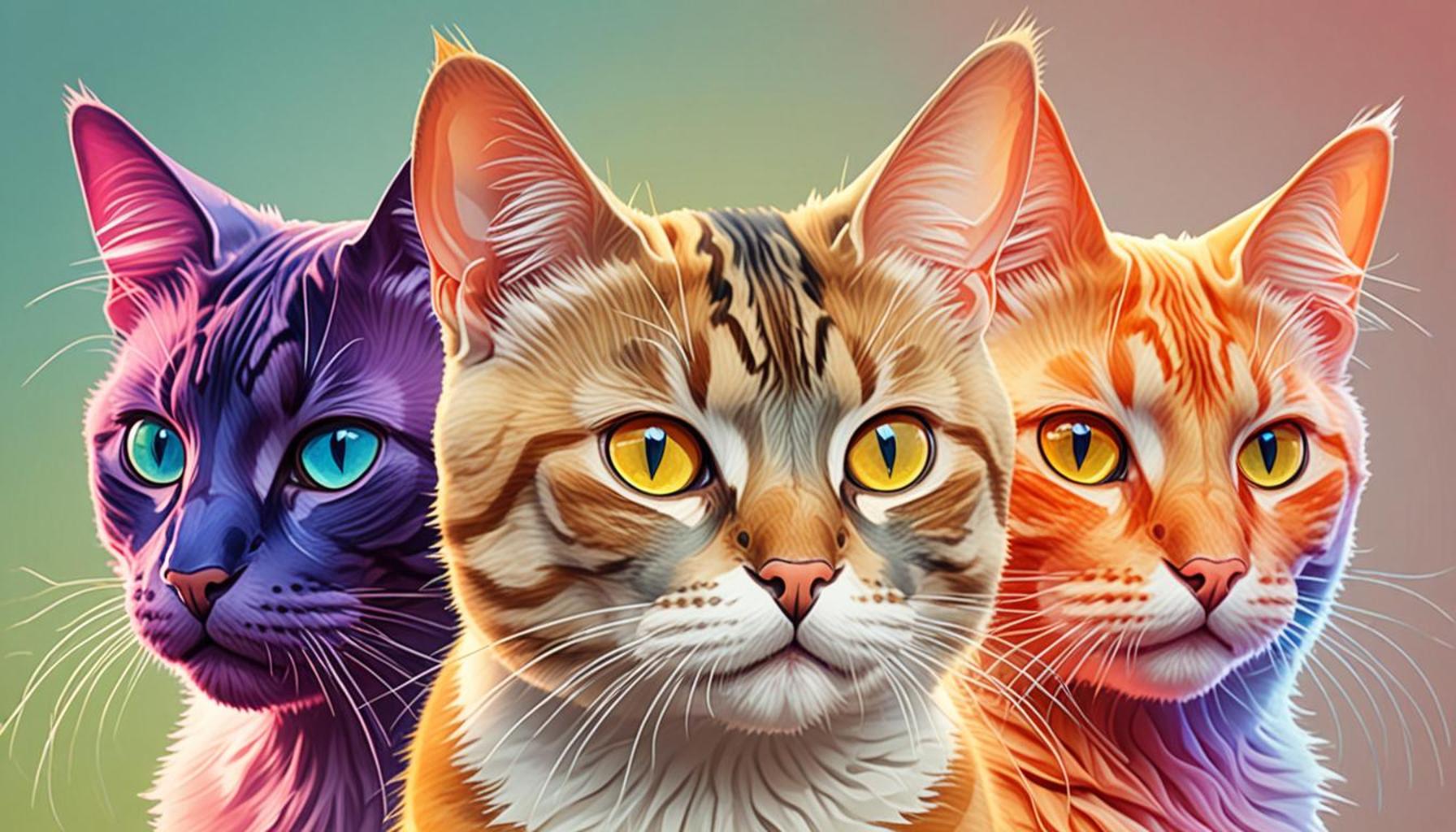
The Fascinating Role of Genetics in Cat Behavior
The behavior of your feline friend is no accident; it’s intricately woven into their genetic fabric. As cat lovers, we often marvel at the unique personalities showcased by various cat breeds. These differences can largely be attributed to genetic factors, shaping not just appearance but also behavior. Understanding these hereditary influences offers intriguing insights into our cats’ personalities and preferences.
Several traits are influenced by heredity, such as:
- Affection Level: Breeds like the Siamese are known for their social nature and desire for human interaction, often following their owners around the house or seeking lap time. In contrast, the Norwegian Forest Cat tends to be more independent, displaying a calm demeanor and enjoying solitary time.
- Activity Level: The Bengal is an energetic breed that thrives on play and exploration, often requiring a variety of toys and spaces to satisfy their adventurous spirit. This is in stark contrast to the laid-back British Shorthair, which prefers lounging and can be perfectly content with relaxed play.
- Vocalization: Some breeds, such as the chatty Abyssinian, are notorious for their vocal tendencies, easily engaging their human companions in conversations. This characteristic is reflective of their social nature and desire for interaction, leading to a lively home environment.
Researchers are uncovering how specific genes can influence behaviors that cater to both outdoor and indoor lifestyles:
- Hunting instincts: Genes play a crucial role in determining a cat’s innate hunting abilities, particularly important for feral or outdoor cats who rely on these traits for survival. Breeds like the American Shorthair often exhibit strong hunting instincts, making them agile and skilled predators.
- Tranquility: Indoor cats, such as the Ragdoll, often reflect a serene demeanor, stakes in their genetic predisposition that prioritizes calm interactions within a controlled environment, appealing to many families.
- Socialization patterns: The genetics behind a cat’s social behavior can dictate how well they adapt to interactions with both people and other pets. Breeds like the Scottish Fold are typically more social and friendly, while others may remain aloof, showcasing a varied spectrum of social abilities influenced by their lineage.
Understanding the behavioral genetics behind these feline traits not only enriches our bond with them but also enhances our knowledge as responsible pet owners. As you dive deeper into how genetics shapes your kitty’s personality, you may uncover traits that align closely with your own lifestyle and preferences. This exploration could encourage you to tailor your interactions to better suit your cat’s unique needs, creating a more harmonious living environment.
Ultimately, acknowledging the genetic blueprint in cats opens a world of appreciation for their individualistic behaviors and quirks. As research advances, the hope is to further illuminate these fascinating aspects of feline life, leading to a better understanding of their needs and desires. Armed with this knowledge, pet owners can engage more thoughtfully with their furry companions, enriching both their lives and ours.
DIVE DEEPER: Click here to discover the benefits of crate training
Unveiling the Genetic Factors That Shape Cat Behavior
The behavioral traits of cats are influenced by a complex tapestry of genetics that governs their instincts, social interactions, and lifestyle preferences. A deeper understanding of how these genetic factors contribute to the behavior of various cat breeds can enlighten pet owners about their feline companions, leading to better care and enhanced bonding experiences. Research in feline genetics is rapidly evolving, revealing intriguing connections between DNA and behavior.
One of the most fascinating aspects of cat behavior is how specific breeds demonstrate distinctive emotional responses and social tendencies. For example, the Oriental Shorthair, known for its exceptionally sociable nature, often seeks companionship and emotional engagement with its human family members. This breed thrives on interaction, making it an excellent choice for families looking for a responsive pet. In contrast, the incredibly independent Siberian may prefer solitary pursuits and exhibit a more reserved demeanor, reflecting its genetic contribution to behavior that prioritizes self-sufficiency.
Additionally, the genetic predisposition can impact energy levels and activity needs significantly. Breeds such as the Turkish Van are characterized by their playful and energetic natures, often exhibiting a love for water and active play. Owners of this breed may find themselves engaged in nearly constant play, which aligns perfectly with the breed’s energetic genetic traits. Conversely, the Persian, with its calm and relaxed disposition, tends toward a more sedate lifestyle. Understanding these behavioral genetics allows prospective owners to choose breeds that harmonize with their lifestyle and activity preferences.
Moreover, the genetic underpinnings of feline vocalization highlight how different breeds express themselves. The Siamesecat, famed for its loud and frequent vocalizations, possesses genes that make them more communicative compared to quieter breeds like the Scottish Fold, which may express affection through subtle cues rather than persistent vocalization. This variation in vocal behavior underscores the diversity in social communication driven by genetic factors.
The role of genetics extends beyond individual personality traits to encompass behavior associated with specific living environments. Some breeds are particularly well-suited for indoor living, reflecting a genetic predisposition toward tranquility and adaptability. For example, the Burmese, known for its affectionate nature and adaptability, often thrives in indoor environments and enjoys human interaction, reflecting its genetic wiring to be sociable. On the other hand, outdoor-oriented breeds like the American Bobtail may carry stronger instincts for exploration and hunting, highlighting the enduring influence of their genetic history.
In conclusion, genetics plays a pivotal role in shaping the diverse behaviors observed across various cat breeds. By exploring these genetic influences, cat owners can gain a greater appreciation for their pets’ individual personalities. This understanding fosters a more fulfilling human-animal relationship, ultimately resulting in a happier and healthier lifestyle for both the cat and its owner. As research continues to expand, the intricate connections between genetics and feline behavior will shed more light on how best to provide for our wonderfully unique companions.
| Cat Breed | Genetic Traits |
|---|---|
| Siamese | Highly social and vocal due to their active genetic disposition |
| Maine Coon | Gentle temperament with a genetic predisposition for playfulness |
| Bengal | Energetic and adventurous due to strong hunting instincts embedded in their genes |
Understanding how genetics influence feline behavior allows cat enthusiasts and potential owners to choose the right breed for their lifestyle. Selecting a cat based on its genetic behavioral traits ensures a harmonious companionship, tailored to the owner’s preferences. For instance, Siamese cats are known for their sociability and vocalizations, which stem from their genes that favor interaction. In contrast, Maine Coons showcase a playful demeanor, making them ideal for families with children.Likewise, the Bengal cat brings an energetic flair to households, thanks to inherited traits that encourage exploration and activity. These genetic influences are not just quirks; they offer significant insight into how a cat might behave in various environments. Understanding these traits can lead owners to explore the profound link between genetics and behavior, enriching their knowledge about their feline companions even further.
DISCOVER MORE: Click here to learn about the importance of a balanced diet for your dog
Behavioral Genetics and Feline Intelligence
Understanding the genetic influences on feline behavior can also extend to intelligence and problem-solving abilities among different cat breeds. Breeds such as the Abysinian and the Bengal are renowned for their high intelligence, which is reflected in their ability to learn tricks, navigate puzzle toys, and engage in complex play scenarios. These breeds possess genes that foster curiosity and a keenness for exploration, driving them to seek mental stimulation and challenges in their environments. This enthusiasm for interactive play can lead to a more engaged and harmonized relationship between owners and their pets, as these intelligent breeds thrive in situations that encourage their cognitive development.
Conversely, certain breeds with a strong inclination towards relaxation and leisure, such as the Ragdoll, may demonstrate less inclination towards problem-solving activities. While this may not denote lower intelligence, it highlights how each breed’s genetic makeup can influence their preferred forms of engagement. Cat owners who seek an interactive companion may find that breeds like the Oriental Shorthair or the Turkish Blue satisfy their desire for a lively and inquisitive pet, while those who prefer a more laid-back partner may find joy in the soothing presence of a British Shorthair.
Genetics and Social Dynamics in Cats
Another critical aspect influenced by genetics is the social dynamics within cat breeds. Some breeds exhibit innate tendencies toward strong territorial behavior or heightened aggression, while others are naturally more amiable and less inclined to assert dominance. For example, the Russian Blue is often characterized by its gentle disposition, potentially due to genetic factors that promote calmness and sociability. In contrast, the Norwegian Forest Cat may display more assertive behaviors, reflecting genetic guardianship instincts that stem from their history as outdoor hunters in the rugged Scandinavian environment.
The Impact of Selective Breeding
Selective breeding also plays a vital role in shaping behaviors encoded in a breed’s genetic framework. As certain traits are intentionally promoted by breeders, behaviors that align with those traits become more pronounced. The Maine Coon, known for its friendly and sociable nature, is a result of generations of breeding focused not only on size and coat but also on temperament. Such breeds can be particularly suitable for families and homes with children, as their genetic predisposition toward friendliness makes them more adaptable to bustling household activities.
On the other side of the spectrum, breeds developed for specific hunting or work behaviors, like the American Shorthair, have retained many of their original instincts. These cats are likely to exhibit hunting behaviors and a degree of independence that could surprise novice owners. Understanding these behaviors influenced by selective breeding helps potential cat parents to select breeds that best match their lifestyles and preferences.
Furthermore, as pet management practices evolve, owners can now also access genetic testing to better understand their cats’ unique predispositions. This growing trend allows owners to tailor their care, environments, and training approaches according to the specific behavioral tendencies that arise from their cats’ unique genetic backgrounds.
As research progresses, new revelations will continue to emerge about the profound impact of genetics on feline behavior. Not only does this provide pet owners with valuable insights, but it also enhances our appreciation for the diverse and intricate world of domestic cat breeds. The adventure of understanding feline behavior through the lens of genetics is just beginning, promising exciting avenues for exploration and engagement with our feline companions.
DISCOVER MORE: Click here for tips on choosing the perfect pet food
Conclusion
In conclusion, the influence of genetics on the behavior of different cat breeds is a fascinating area that continues to reveal the complexities and nuances of our feline companions. Research indicates that genetics shape not only intelligence and problem-solving abilities but also social dynamics and behavioral tendencies within breeds. Breeds like the Abysinian and Bengal showcase high intelligence, seeking interactive engagement and mental challenges, while others, such as the Ragdoll, reflect a more laid-back nature that may seem less stimulating but offers different kinds of companionship.
Moreover, selective breeding practices have significantly impacted behavioral traits, tailoring breeds to better suit various lifestyles. The friendly Maine Coon illustrates how generations of breeding can enhance sociability, making them ideal for families. In contrast, breeds such as the American Shorthair retain strong hunting instincts, showcasing the original purposes for which they were bred.
As advances in genetic testing become accessible to pet owners, the potential for better matching with breeds based on specific behavioral traits widens. This not only enhances owner-cat relationships but also emphasizes the importance of understanding the underlying genetic factors that contribute to each breed’s unique behaviors. With ongoing research, we anticipate future discoveries that will further elucidate our understanding of feline behavior and genetics, inviting cat lovers to continue exploring the rich tapestry of traits that define their beloved pets. Indeed, the journey into the genetics of cats is only beginning, promising enriched insights and deeper bonds with our four-legged friends.
Related posts:
Pet Behavior during the Introduction of New Family Members
Behavior of Pet Rodents: How to Understand Their Social Interactions
The impact of positive training on dog behavior
The influence of diet on pet bird behavior
The Impact of the Environment on Cat Behavior: How to Create a Stimulating Space
How Music Affects Dogs' Behavior During Loneliness

Linda Carter is a writer and pet care expert specializing in pet health, grooming, and wellness. With extensive experience helping pet owners create safe, loving, and enriching environments for their animals, Linda shares her knowledge on our platform. Her goal is to empower readers with practical advice and strategies to ensure their pets thrive and lead joyful, healthy lives.